Abraham Lincoln's India connection: Why he is taught in Indian classrooms
Abraham Lincoln's ideas about democracy, liberty and equality were quite popular among Indian freedom fighters, including Mahatma Gandhi. Many of his phrases had also became popular at that time, and thus, he is still taught in Indian classrooms.
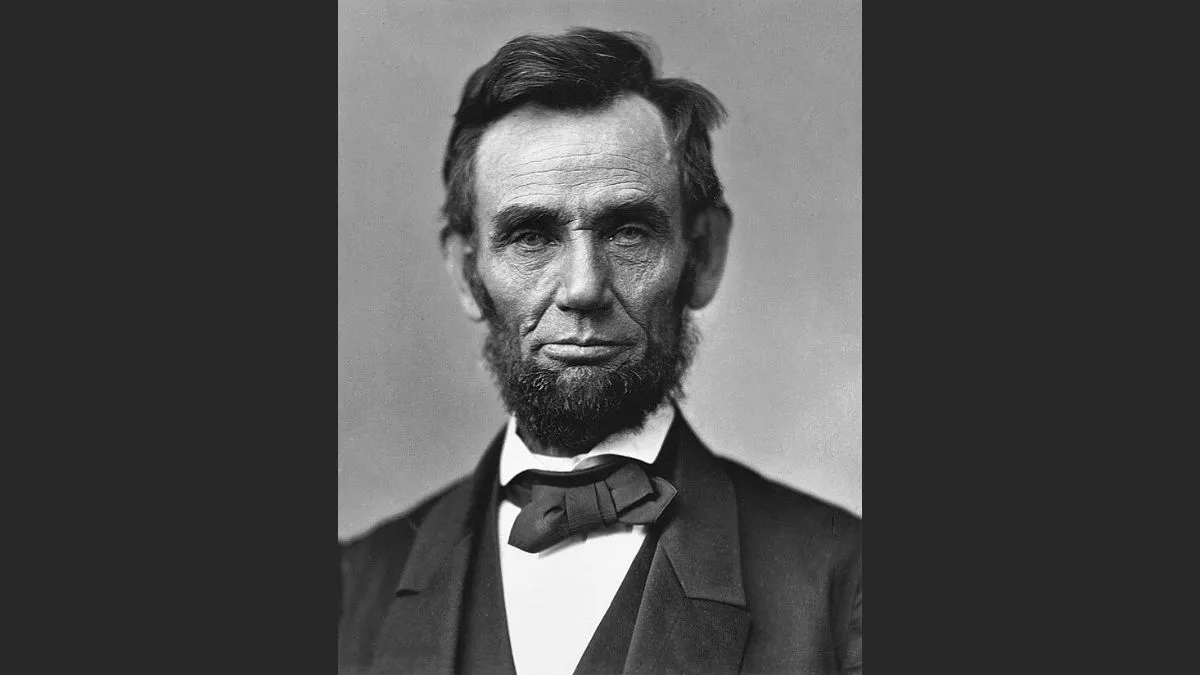
Abraham Lincoln had served as the 16th president of the United States of America (USA) from 1861 to 1865. A Republican Lincoln had served as the US president during the American Civil War and played a key role in defeating the Confederate States. Lincoln, who was assassinated while he was in the office, also played a crucial role in the abolition of slavery.
Born on February 12, 1809, in Kentucky, the Republican president had ended slavery using a combination of war measures and a constitutional amendment. His ideas about democracy, liberty and equality also became quite popular among Indian leaders, including Mahatma Gandhi, and the American president was seen as a global symbol of resistance to injustice and inequality during the British rule.
Though he never visited India, his phrases, "government of the people, by the people, for the people"; "those who deny freedom to others deserve it not for themselves"; and "no man is good enough to govern another man without that other’s consent", became extremely popular in here, which is taught in Indian classrooms even today.
India's first stock market crash in 1965 and did Lincoln cause it?
In 1865, India's first stock market crash happened, and many have linked it to Lincoln's assassination after the end of the American Civil War. During the American Civil War, the British Empire was importing cotton from India, which boomed the industry here. This ultimately led to a rise in stocks of cotton-related shares and banks at the Bombay Stock Exchange (BSE), and cotton became the 'white gold'.
However, after the American Civil War ended, cotton supplies and exports from the US resumed again, leading to a drop in shares of cotton-related stocks and banks all around the world. This included a crash at the BSE, which had happened on July 1, 1865, just months after Lincoln's assassination. This led to a massive loss for traders and financers in India.