What was the Quit India Movement about? Date, history, significance and more
Launched on August 8, 1942, the Quit India Movement was Mahatma Gandhi’s “Do or Die” call for immediate British withdrawal. It sparked a nationwide uprising, faced brutal crackdowns, but ultimately dealt a decisive blow to colonial rule.
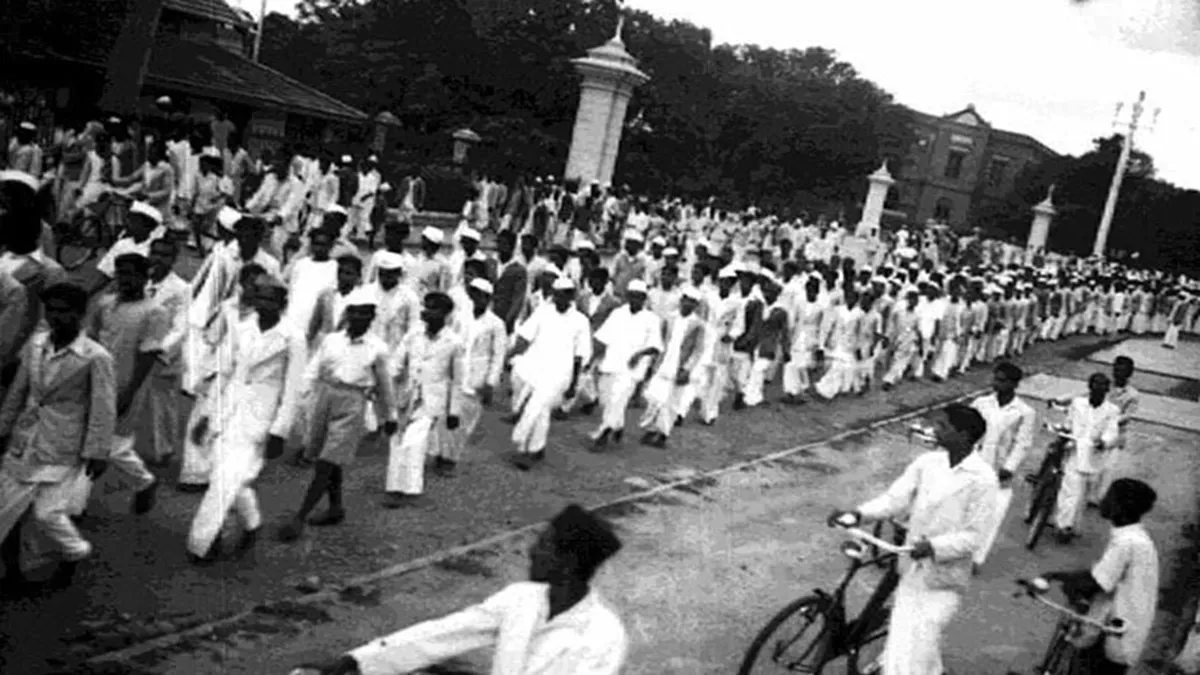
On August 8, 1942, Mahatma Gandhi issued a bold call to the nation “Do or Die” launching the Quit India Movement against British rule, which had gripped India for over 200 years. This was not just a slogan but a direct challenge, aimed at compelling the British to leave India immediately. The movement marked one of the most decisive phases in the country’s freedom struggle. The Congress Working Committee met at Wardha on July 14, 1942, and resolved to begin a mass civil disobedience campaign. The Quit India Resolution was passed at the All India Congress Committee session in Bombay, with Gandhi making his historic declaration, “We shall either free India or die in the attempt.”
Quit India Movement: A nationwide uprising
The movement spread rapidly across India, drawing participation from all sections of society:
Students in Bihar and Uttar Pradesh organised strikes and demonstrations, Women leaders like Aruna Asaf Ali, Usha Mehta, and Sucheta Kripalani mobilised communities and ran underground networks, Peasants and tribals in Bengal, Orissa, Bihar, and Eastern UP staged protests, Government employees, especially in lower ranks, covertly aided activists and Parallel governments emerged in several regions, symbolising the rejection of British authority.
The British crackdown
The British responded within hours of the resolution’s passage, arresting top Congress leaders and banning the party. Without central leadership, coordination became difficult. Still, protests from August to September 1942 saw strikes, rallies, and attacks on symbols of colonial power.
Despite its intensity, the Quit India Movement did not bring immediate independence. Arrests crippled leadership, and opposition from the Muslim League, Communist Party of India, Hindu Mahasabha, and leaders like B.R. Ambedkar and Periyar limited participation and deepened communal divisions.
Quit India Movement: Significance
The Quit India Movement was the most radical and widespread mass uprising in the freedom struggle. It:
- Strengthened grassroots leadership despite arrests.
- Produced new leaders such as Jayaprakash Narayan, Ram Manohar Lohia, and Aruna Asaf Ali.
- Dealt a moral and political blow to British authority, making their eventual withdrawal inevitable.