Valmik Thapar, India's 'tiger man', veteran conservationist passes away at 73
Born in New Delhi in 1952, Thapar devoted over five decades of his life to the study and conservation of wild tigers, particularly in Rajasthan’s Ranthambore National Park.
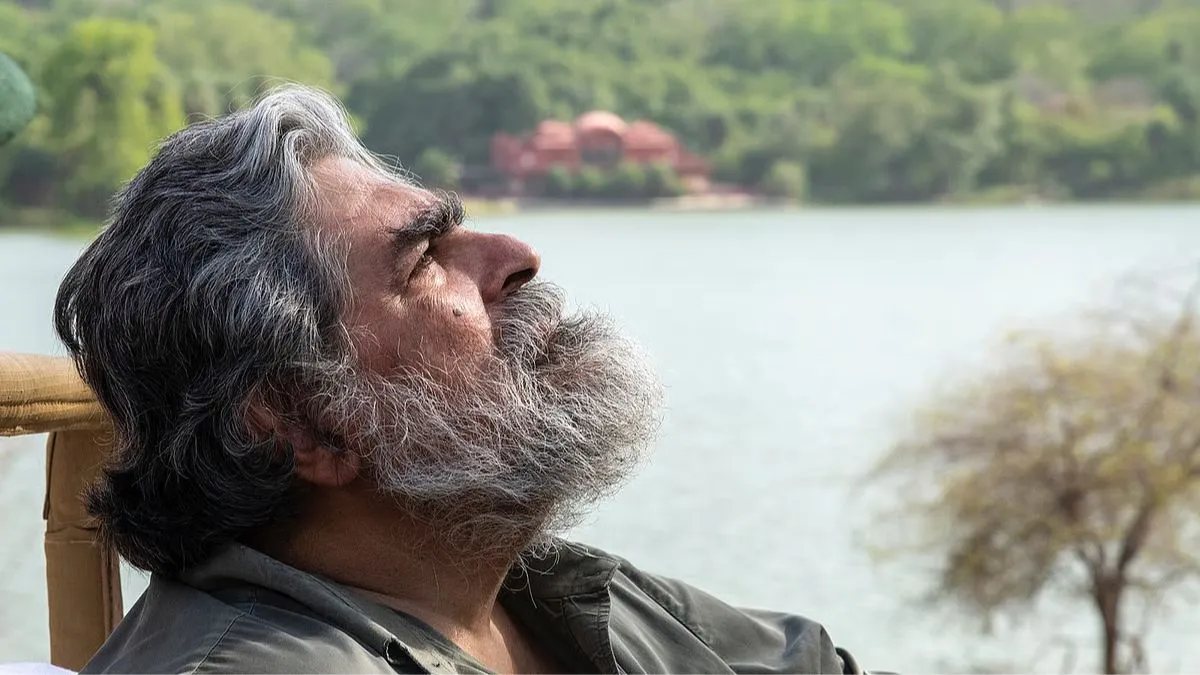
Renowned conservationist Valmik Thapar, a towering figure in Indian wildlife protection and literature, passed away at the age of 73 on Saturday morning at his residence. Thapar had been battling cancer for some time. Widely regarded as one of the most dedicated voices for tiger conservation in India, his passing marks the end of an era in wildlife advocacy.
Born in New Delhi in 1952, Thapar devoted over five decades of his life to the study and conservation of wild tigers, particularly in Rajasthan’s Ranthambore National Park. He co-founded the Ranthambhore Foundation in 1988, a pioneering NGO that emphasized community-based conservation strategies.
Mentored by Fateh Singh Rathore, one of the leading figures of India’s original Project Tiger, Thapar emerged as a staunch advocate for habitat protection and strict anti-poaching measures.
Family and education
Valmik Thapar hailed from a distinguished family of intellectuals and public figures. His father, Romesh Thapar, was a renowned journalist. Historian Romila Thapar is his aunt, while his cousin is veteran journalist Karan Thapar.
He studied at The Doon School and graduated with a gold medal in sociology from St. Stephen’s College, Delhi University. Thapar was married to theatre personality Sanjana Kapoor, daughter of legendary actor Shashi Kapoor. The couple have a son.
Legacy of conservation
Over the course of his career, Thapar was involved in more than 150 government committees and task forces, including the National Board for Wildlife, chaired by the Prime Minister. In 2005, he was appointed to the Tiger Task Force formed by the UPA government after tigers vanished from the Sariska Tiger Reserve.
While the task force, chaired by Sunita Narain, submitted a report supporting coexistence between humans and tigers, Thapar issued a dissenting note. He cautioned against overly optimistic views, insisting that long-term tiger survival depended on strictly protected, human-free habitats.
“He expressed concern that the report was overly optimistic about the coexistence of tigers and humans. Thapar argued that for tigers to survive in the long run, certain areas needed to be kept free from human interference. He said that a minimum area should be managed exclusively in its natural form for a tiger.”
Prolific author and filmmaker
Thapar wrote or edited more than 30 books on wildlife, including Land of the Tiger: A Natural History of the Indian Subcontinent (1997), and Tiger Fire: 500 Years of the Tiger in India. His literary contributions spanned decades and helped elevate public awareness of India’s rich biodiversity.
He also produced and presented several acclaimed wildlife documentaries for international platforms such as the BBC. His landmark series Land of the Tiger (1997), a six-part exploration of the subcontinent’s natural world, received widespread acclaim. As recently as 2024, he appeared in the documentary My Tiger Family, chronicling his five-decade-long journey with the tigers of Ranthambore.
Tributes pour in
Tributes from across the political and environmental spectrum poured in following news of Thapar’s demise.
Conservation biologist Neha Sinha described him as “the international voice of Indian tigers for many many years” and encouraged readers to revisit his influential works such as Tiger Fire and Living with Tigers as a tribute.
Wildlife conservationist Nirmal Ghosh remembered him as “a giant of tiger conservation” and said Thapar leaves behind “a lasting legacy as a global spokesman for the tiger.”
(With PTI inputs)