Pakistan faces fresh blow after India's Indus water move; Shahpur Kandi Dam set to cut Ravi flows
Envisioned nearly five decades ago in 1979, the Shahpur Kandi Dam Project was conceived to regulate the flow of the Ravi River to Pakistan and utilise it for irrigation purposes in Punjab and J-K . The foundation stone was laid by former Prime Minister Indira Gandhi in 1982.
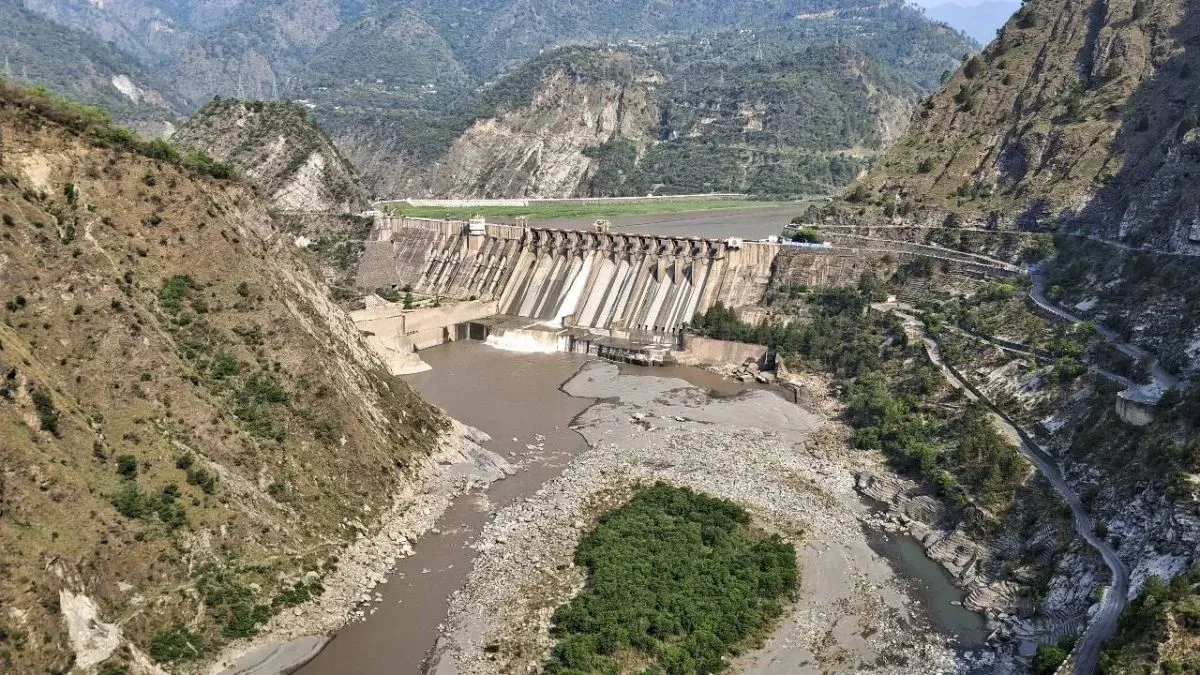
Following the suspension of the Indus Waters Treaty, Pakistan is bracing for a new challenge from India, which plans to stop the flow of surplus water from the Ravi River. This move comes as construction on the Shahpur Kandi Dam, located on the Punjab–Jammu and Kashmir border, nears completion.
As per media reports, the development has been confirmed by Jammu and Kashmir Minister Javed Ahmed Rana.
Rana said once the construction of the dam is completed, the water going to Pakistan will be diverted towards Kathua and Samba districts, which are drought-hit areas.
About the Shahpur Kandi Dam project
Envisioned nearly five decades ago in 1979, the Shahpur Kandi Dam Project was conceived to regulate the flow of the Ravi River to Pakistan and utilise it for irrigation purposes in Punjab and J-K . The foundation stone was laid by former Prime Minister Indira Gandhi in 1982, but construction faced delays due to administrative challenges between the Punjab and Jammu & Kashmir governments. Recognised as a national project in 2008, the dam is now progressing with a total investment of Rs 2,715.70 crore.
Strategically located on the Ravi River, 11 km downstream of Ranjit Sagar Dam and 8 km upstream of Madhopur Headworks in Pathankot district, the project is set to be a game-changer for irrigation and power generation. It will serve as a balancing reservoir to ensure uniform water supply to the canal system originating from Madhopur Headworks, creating irrigation potential for 5,000 hectares in Punjab and ensuring regular water supply for agriculture in both Punjab and Jammu & Kashmir.
In addition to irrigation, the dam will generate 1,042 million units of electricity annually, reduce outflow to Pakistan, and create new tourism opportunities. The project is poised to significantly enhance the socio-economic conditions of this border region, benefiting local communities while strengthening resource management and regional development.