Operation Sindoor: How 19 CISF personnel thwarted Pakistan's strike on Uri hydro power plant
Operation Sindoor includes members from both UHEP Uri-I and Uri-II. Leading the team from UHEP Uri-I is Commandant Ravi Yadav, supported by Manohar Singh and Subhash Kumar from UHEP Uri-II.
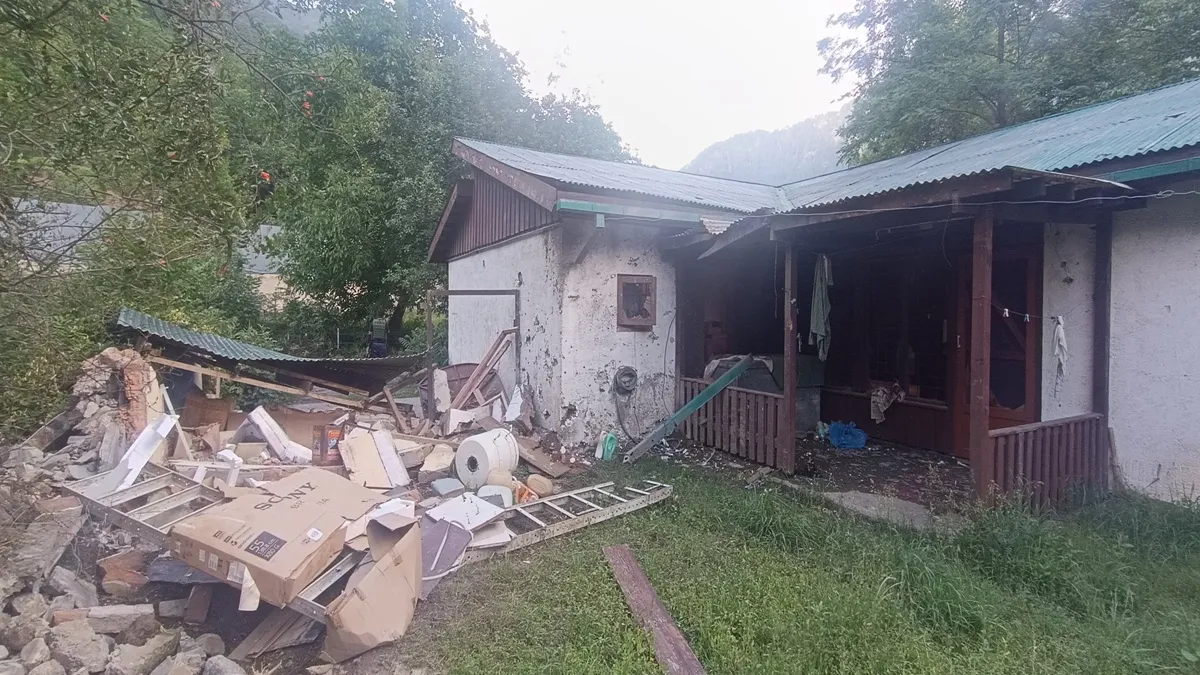
Almost six months after the intense India-Pakistan conflict marked by 'Operation Sindoor', stories of valour from the armed forces continue to emerge. Shortly after India launched precision strikes on May 7, targeting terrorist camps inside Pakistan, Pak retaliated by targeting the Uri hydroelectric power projects in Jammu and Kashmir.
The Uri hydroelectric plant under threat
Located along the volatile Line of Control (LoC), the Uri hydroelectric projects on the River Jhelum in Baramulla district of Jammu and Kashmir were directly in the line of fire. Pakistan launched heavy artillery shelling and drone attacks aimed at crippling this critical infrastructure and endangering nearby civilian populations.
Heroic defense by CISF's 19-member team
The Central Industrial Security Force (CISF) team protecting Uri's hydroelectric projects, led by Commandant Ravi Yadav, displayed exemplary courage. As Pakistani drones attacked, the CISF personnel successfully jammed and shot down enemy drones near the Uri II project entrance. They executed a massive evacuation, safely moving 250 civilians and NHPC ( National Hydroelectric Power Corporation) staff from the shelling zones to safety, with no casualties reported.
Frontline defense near LoC
Positioned just eight to 10 kilometres from the volatile Line of Control, the CISF units deployed at the NHPC installations at Uri were thrust into the frontlines the moment cross-border tensions escalated. Despite facing relentless enemy shelling and grave risks to their own safety, the teams remained composed, showcasing outstanding courage and professionalism.
Leadership and team effort
Under the able leadership of Commandant Ravi Yadav, supported by Deputy Commandant Manohar Singh and Assistant Commandant Subash Kumar, the teams launched immediate protective actions. This included real-time analysis of artillery trajectories, identification of safe zones, and efficient coordination of civilian evacuations to bunkers. The exemplary team included personnel across various ranks from both UHEP Uri-I and Uri-II, recognized for their decisive roles.
Evacuations amid fire
Shells landed dangerously close to residential complexes nearby, putting civilians including women, children, and NHPC staff at grave risk. Undeterred by the intense shelling, CISF personnel carried out door-to-door evacuations, physically relocating around 250 individuals to safer shelters, a feat underscoring their fearlessness and dedication.
Safeguarding critical infrastructure
As part of their defense, CISF forces reinforced bunkers, maintained critical communications through POLNET and satellite systems, and neutralized hostile drones attacking the installations. Rapid redistribution of weapons ensured stockpile security, preventing compromise of vital national assets. These efforts were pivotal in sustaining the integrity of India's hydroelectric capacity despite enemy aggression.
Recognition and legacy
The 19 personnel involved received the prestigious Director General’s Disc, a testament to their bravery and steadfast commitment to national security during Operation Sindoor. The CISF, celebrating its legacy since 1969, continues to be the frontline shield protecting India's critical infrastructure, now poised for expansion with increased manpower sanctioned by the Ministry of Home Affairs.
Tactical brilliance amid hostilities
The CISF's response included reinforcing bunkers, maintaining communication lines, and conducting real-time threat assessments under intense cross-border shelling. ASI Gurjeet Singh, a team member, highlighted the challenge of waking residents unaware of the looming danger to facilitate evacuation.
Reflecting on Uri's previous attack in 2016
Uri was similarly targeted in September 2016 when Jaish-e-Mohammed (JeM) terrorists attacked an army base, killing 19 soldiers. The military responded decisively with retaliatory strikes in Pakistan-occupied Kashmir, marking a significant moment in India’s counterterrorism efforts.