Nimisha Priya case: What is blood money and how could it save Kerala nurse in Yemen?
Kerala nurse Nimisha Priya on death row in Yemen for the 2017 murder of a local man faces execution on July 16 unless a last-minute 'blood money' settlement under Sharia law can save her.
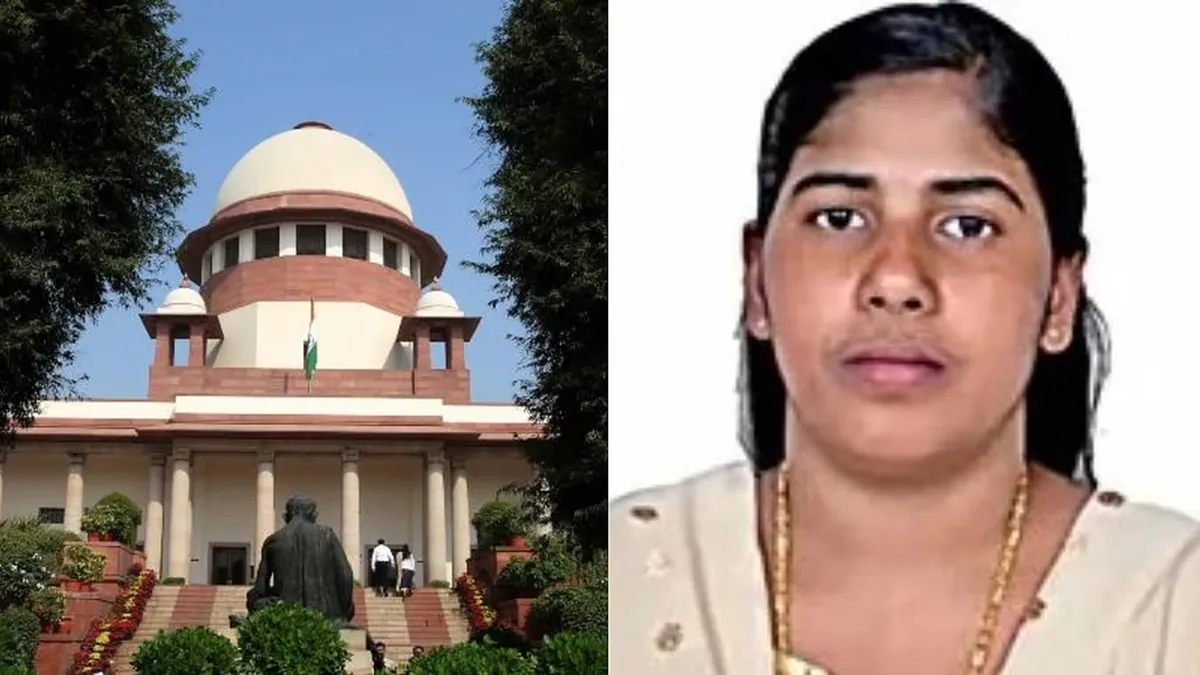
Nimisha Priya, a nurse from Kerala convicted of murdering a Yemeni national, is scheduled to be executed on July 16 at Sana’a Central Prison, according to Yemeni prison authorities. With time running out her family and supporters are making last-ditch efforts to secure a pardon through ‘blood money’ (diya), a provision under Islamic Sharia law that allows victims’ families to forgive offenders in exchange for financial compensation. The Supreme Court of India is set to hear the case again on July 18, but the Centre has told the court it has no diplomatic leverage over Yemen’s Houthi authorities and that blood money remains the only route to save her life.
Why is Nimisha Priya on death row in Yemen?
Nimisha Priya, hailing from Kollengode in Kerala’s Palakkad district moved to Yemen in 2008 to work as a nurse. In 2015 she opened a private clinic in Sana’a in partnership with Talal Abdo Mahdi, a Yemeni national as local laws require foreign businesses to be registered under Yemeni names.
Her family alleges that Mahdi abused her, withheld her passport and siphoned off the clinic’s income. In 2017 in an attempt to recover her documents, she allegedly injected him with sedatives. The dosage proved fatal and Mahdi’s dismembered body was later found in a water tank. Priya was arrested near the Saudi-Yemen border while trying to flee. A Yemeni trial court sentenced her to death in 2020. The Supreme Judicial Council upheld the sentence in November 2023 but left open the option for a blood money settlement under Sharia law.
What is blood money under Sharia law?
Blood money or ‘diya’ is a system rooted in Islamic Sharia law that allows offenders to seek forgiveness from the victim’s family in exchange for financial compensation. The practice is prevalent in several Islamic countries, including Yemen.
The Quran (Surah Al-Baqarah 2:178, An-Nisa 4:92) provides for this mechanism giving the victim’s family the right to either seek retribution or accept financial compensation. If accepted, the offender can be spared the death penalty.
There is no fixed amount for diya under Sharia law; it depends entirely on negotiations with the victim’s family. In this case, Nimisha’s family and supporters have reportedly offered USD 1 million (approximately 8.6 crore). However reports suggest that Mahdi’s family has refused to accept the offer so far.
Why is this case so complicated?
India’s lack of diplomatic relations with Yemen’s Houthi-led authorities severely restricts any formal intervention. The Centre informed the Supreme Court that despite best efforts through intermediaries and humanitarian channels there is no diplomatic route to force a reprieve.
The Save Nimisha Priya International Action Council, a group of activists, lawyers and elected representatives has been coordinating efforts to save her. Nimisha’s mother, Premakumari has been in Yemen since April 2024 trying to negotiate directly with the victim’s family.
Despite raising funds and offering diya, there has been no breakthrough. Kerala Chief Minister Pinarayi Vijayan has written multiple times to Prime Minister Narendra Modi seeking intervention but the Centre has clarified its legal and diplomatic limitations.
Why the execution date precedes India’s hearing
The execution date of July 16 emerged from communications between Yemeni prison officials and intermediaries, not through formal diplomatic notification. India’s Supreme Court hearing on July 18 will review the steps taken by the government but Yemen’s judiciary is under no obligation to delay execution based on India’s legal calendar. Unless there is a sudden reversal, Priya’s execution may proceed regardless of India’s hearings.
How has blood money worked for Indians in the past?
There are precedents of Indian nationals avoiding execution through blood money settlements. However, these cases involved countries with formal diplomatic ties to India, a crucial difference from Yemen’s Houthi-controlled territory.
- In 2019, Tamil Nadu’s Arjunan Athimuthu avoided execution in Kuwait after paying 30 lakh.
- In the UAE (2017), ten Indians were pardoned after paying 200,000 dirhams in diya.
- In Saudi Arabia (2006), an Indian reportedly paid 34 crore to avoid execution.