LPG supply to be cut off for households if they decline PNG switch despite availability
The government has issued a new order making PNG adoption mandatory in areas with existing pipeline access, warning that LPG supply will stop after three months if households refuse to switch.
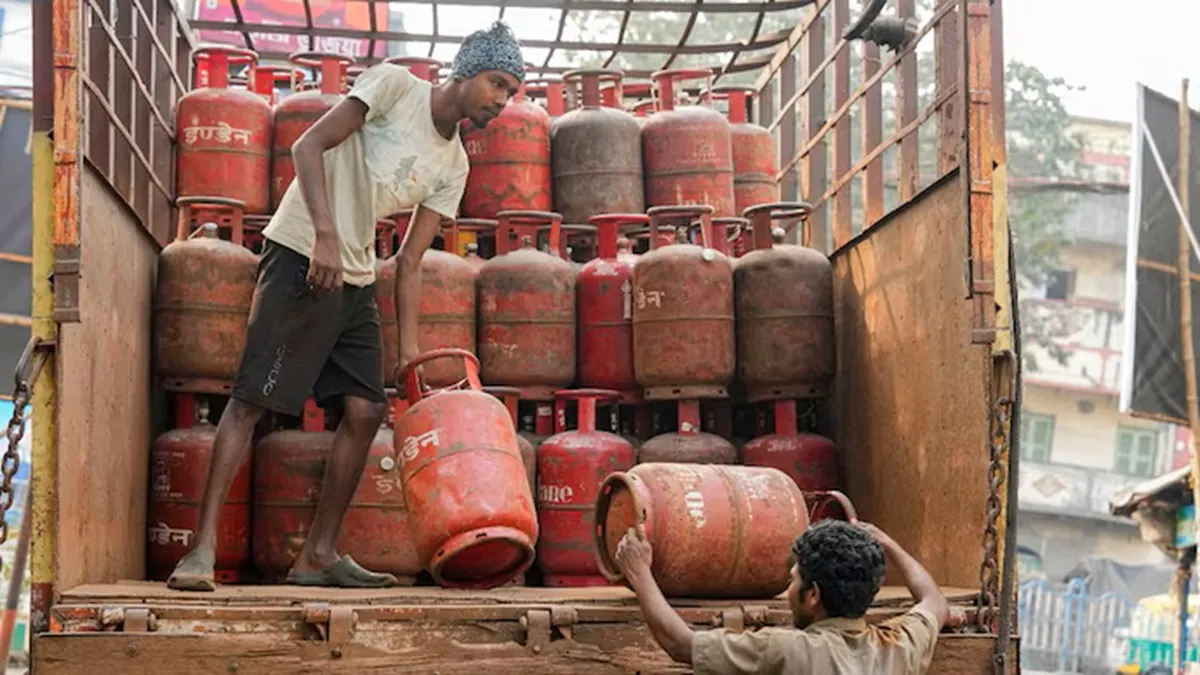
The central Ministry of Petroleum and Natural Gas has issued a new directive stating that cooking gas LPG supply to households will be discontinued if consumers do not switch to piped natural gas in locations where PNG connectivity is already available. The notification aims to accelerate India's transition to pipeline-based fuel, broaden energy sources and reduce the dependence on a single supply channel. The order comes as India faces disruptions in LPG availability due to the conflict in West Asia, which has impacted supply routes and damaged key liquefaction facilities. Due to this, the government is encouraging both residential and commercial users to adopt PNG, which is delivered continuously through pipelines and eliminates the need for booking refills.
New pipeline expansion order issued
The Natural Gas and Petroleum Products Distribution Order, 2026, issued on March 24, lays out a framework to expand the pipeline network, simplify approvals and promote faster connectivity. According to the directive, LPG supply "shall cease after three months" if a household refuses PNG despite existing pipeline access. Exceptions will apply only when PNG is deemed "technically infeasible", supported by a no-objection certificate.
Move aims to free LPG for non-connected regions
Officials said the measure is intended to free LPG cylinders from pipeline-enabled areas and redirect them to regions lacking infrastructure. The notification highlights the need for "fuel diversification" in light of global disruptions, including the continued closure of the Strait of Hormuz. Oil Secretary Neeraj Mittal described the reform as "a crisis turned into an opportunity" in a post on X, noting that it enhances ease of doing business and strengthens energy resilience.
Fast-track approvals and strict timelines
The order, issued under the Essential Commodities Act, requires public authorities to clear right-of-way or pipeline permissions within fixed timelines. If approvals are delayed, they will be treated as automatically granted. Authorities are also barred from levying charges beyond those specified. For residential areas, access-controlling entities must grant permissions within three working days, and last-mile PNG connection must be provided within 48 hours. Applications for connectivity cannot be rejected.
The notification empowers designated officers with quasi-judicial authority to resolve disputes over land access. Approved entities must begin pipeline work within four months, failing which penalties may apply, including loss of exclusivity.
PNGRB to oversee implementation
The Petroleum and Natural Gas Regulatory Board (PNGRB) has been appointed as the nodal authority to monitor implementation, track approvals and ensure compliance. If access permissions for PNG installation are denied by housing complexes, a notice will be issued and LPG supply will be stopped after three months. The directive clearly lists the "consequences of households not applying for and obtaining PNG connection when notified by the authorised entity". Supply will not be stopped if a technical infeasibility certificate is issued, which must be revoked once PNG becomes operationally viable.