Jamiat Ulama-e-Hind, AIMPLB slam MHA's 'Vande Mataram' mandate as assault on faith and Constitution
Vande Mataram row: Jamiat Ulama-e-Hind General Secretary Maulana Mohd Hakimuddin Qasmi condemned the MHA circular as a direct assault on constitutional protections and India's pluralistic harmony.
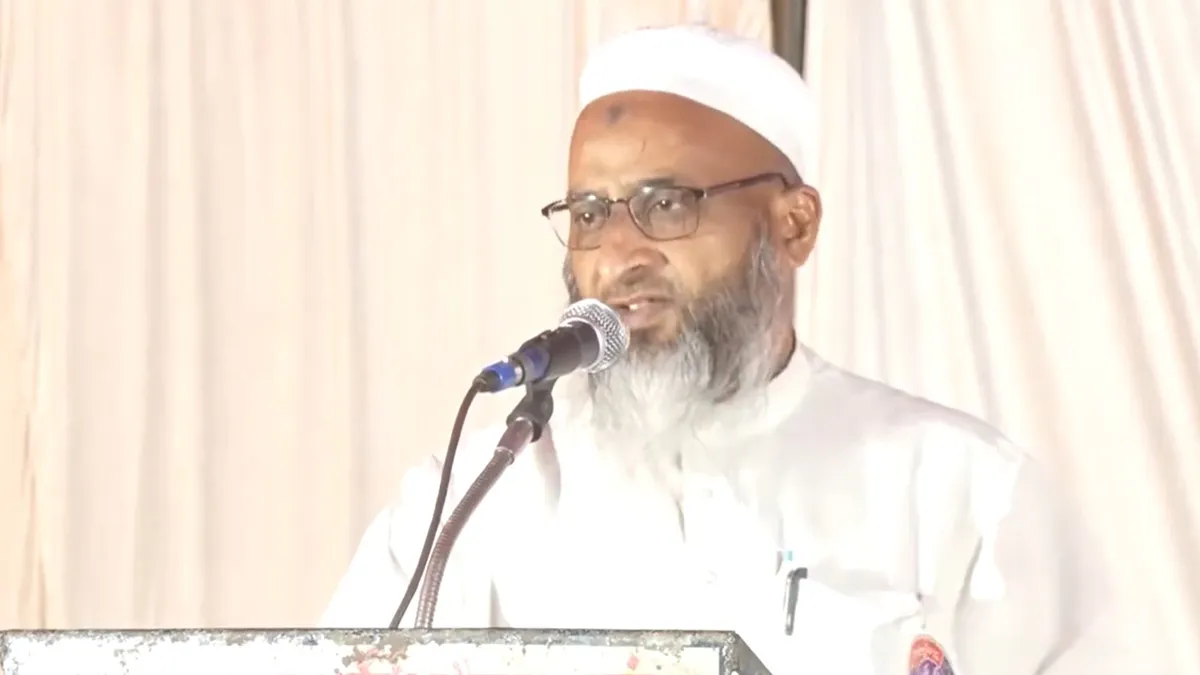
Jamiat Ulama-e-Hind and the All India Muslim Personal Law Board (AIMPLB) have vehemently opposed the Ministry of Home Affairs' (MHA) February 2026 notification requiring all six stanzas of 'Vande Mataram' to be sung before the national anthem at official events, schools and government functions. Labelling the directive 'unconstitutional' and a direct violation of religious freedom under Article 25, these groups vowed to challenge it in court, arguing it imposes Hindu devotional elements on Muslims who adhere strictly to monotheism (Tauheed).
MHA's guidelines spark outrage
The MHA order, timed with 'Vande Mataram's' 150th anniversary celebrations, mandates a full 3-minute-10-second rendition of Bankim Chandra Chatterjee's composition, previously limited to the first two stanzas, preceding 'Jana Gana Mana' at events attended by the President or officials. AIMPLB General Secretary Maulana Mohammed Fazlur Rahim Mujaddidi called it "completely unacceptable," citing references to Goddess Durga worship in later stanzas (especially 4th and 5th) that clash with Islamic tenets prohibiting idolatry or partner-association with Allah.
Jamiat Ulama-e-Hind General Secretary Maulana Mohammad Hakimuddin Qasmi echoed this, deeming the circular a "blatant attack" on constitutional rights and social harmony in pluralistic India. He stressed that while majority communities may recite it voluntarily, mandating it for all—particularly in schools—curtails minorities' freedom to live by their beliefs, undermining "unity in diversity."
Historical precedent and constituent assembly consensus
Opponents invoked the Constituent Assembly's 1950 decision, influenced by Rabindranath Tagore, to adopt only the initial two stanzas as the national song to avoid communal friction. Supreme Court rulings have similarly restricted full recitation in official contexts for secular reasons. Mujaddidi accused the timing of electoral motives ahead of West Bengal polls, insisting patriotism stems from sacrifice, not coerced recitation, and warning that such moves erode national unity.
Legal demands
Both organisations demanded immediate withdrawal, with Jamiat urging review per judicial precedents and India's diverse fabric. They affirmed Muslims' enduring love for the nation but rejected any compulsion conflicting with faith, positioning the fight as defense of constitutional dignity over political agendas. The row reignites debates on nationalism's boundaries, pitting cultural revival against religious autonomy.