Census 2027: Dry run states, new features, and story behind six-year gap
India is set to conduct its first fully digital Census in 2027 after a six-year delay. The government has announced a pre-test phase, new features like self-enumeration, geotagging of buildings, and inclusion of caste data at the national level.
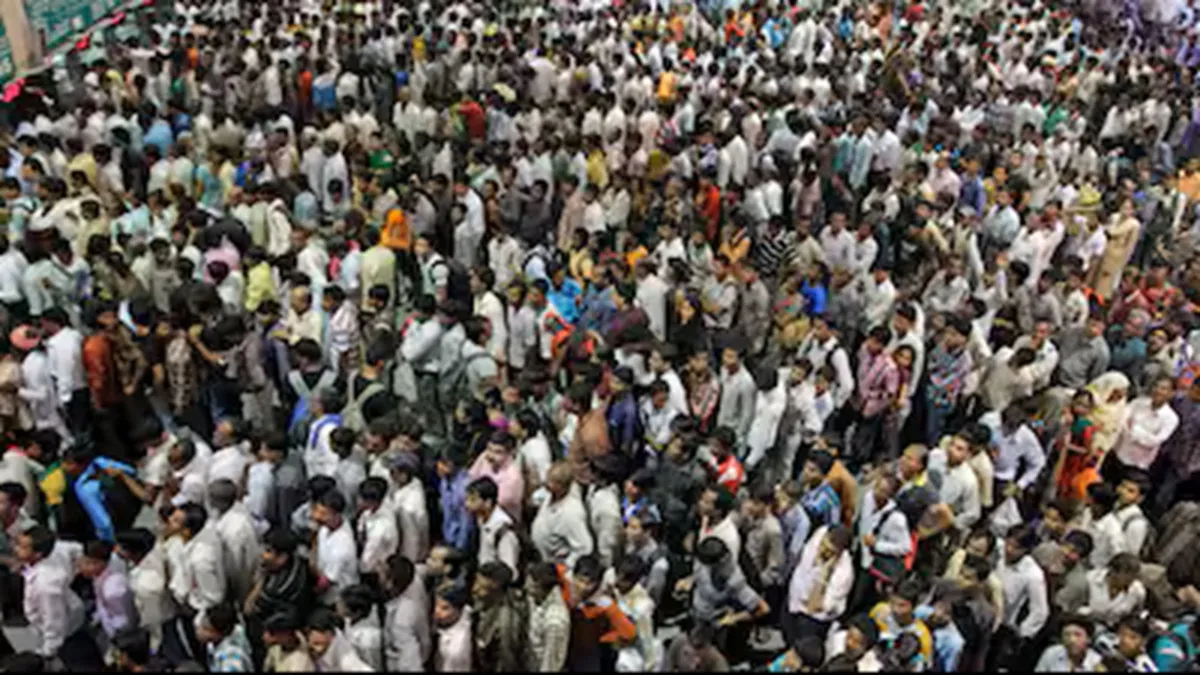
The government has begun preparations for the nationwide Census 2027, which will be conducted in two major phases and is set to conclude in 2027. Citizens will have the option to submit their personal details digitally via a self-enumeration window from November 1 to 7, 2025.
This will mark the first fully digital census in India’s history. The exercise was originally due in 2021 but was delayed multiple times, mainly due to the COVID-19 pandemic. Critics, however, have questioned the extended gap between censuses.
Pre-test phase to ensure readiness
The pre-test for Census 2027 will be conducted from November 10 to 30, 2025, across selected sample areas in all States and Union Territories. According to Registrar General and Census Commissioner Mrityunjay Kumar Narayan, the pre-test will assess operational readiness and test mobile applications, survey methods, training modules, and logistics.
The pre-test will also include the self-enumeration feature, where citizens can submit data online. Section 17A of the Census Act, 1948, has been invoked to include this stage in the legal framework.
Check the dry run states
Assam: Dibrugarh, West Karbi Anglong, and Hailakandi districts.
Karnataka: Bengaluru Urban (JP Park Ward in Bengaluru North City Corporation), Uttara Kannada (Supa/Joida Taluk), and Chamarajanagar (Gundlupet Taluk) districts.
Tamil Nadu: Anchetty taluk in Krishnagiri, part of RK Pet taluk in Thiruvallur, and Mangadu municipality in Kancheepuram.
Telangana: Urban area of Ramachandrapuram (GHMC limits), and rural areas of Thipparthy (Nalgonda district) and Pinapaka (Bhadradri–Kothagudem district).
Andhra Pradesh
First digital census and key features
The 2027 Census will be India’s first entirely digital exercise, with approximately 34 lakh enumerators using their personal devices to record data. Mobile apps for Android and iOS will support multiple languages and allow direct data upload to a central server, reducing errors and speeding up processing.
For the first time:
- Caste enumeration will be conducted nationwide.
- All buildings residential and non-residential will be geotagged using Digital Layout Mapping (DLM) linked to GIS maps.
- Data will be available in regional languages, Hindi, and English, with options for self-enumeration via the official website.
Census schedule and data collection
The Census will be conducted in two stages:
- Housing Listing – April to September 2026
- Population Enumeration – February 2027 in most states, starting September 2026 in Ladakh, Jammu & Kashmir, Himachal Pradesh, and Uttarakhand.
The pre-test will help identify and fix any technical or operational issues before the full rollout.
Why the six-year gap?
The last Census was conducted in 2011, and the 2021 Census was postponed due to the COVID-19 pandemic. India’s Census Act, 1948, provides the legal framework but does not fix the exact schedule. The six-year delay has allowed authorities to modernize procedures, implement digital solutions, and plan for a large-scale, accurate enumeration.