BMC issues Diwali advisory for Mumbaikars: Avoid bursting crackers inside buildings, near gas pipelines
Mumbai Diwali advisory: The BMC said the festival should be celebrated in an eco-friendly manner ensuring that there is no air and noise pollution due to the bursting of crackers.
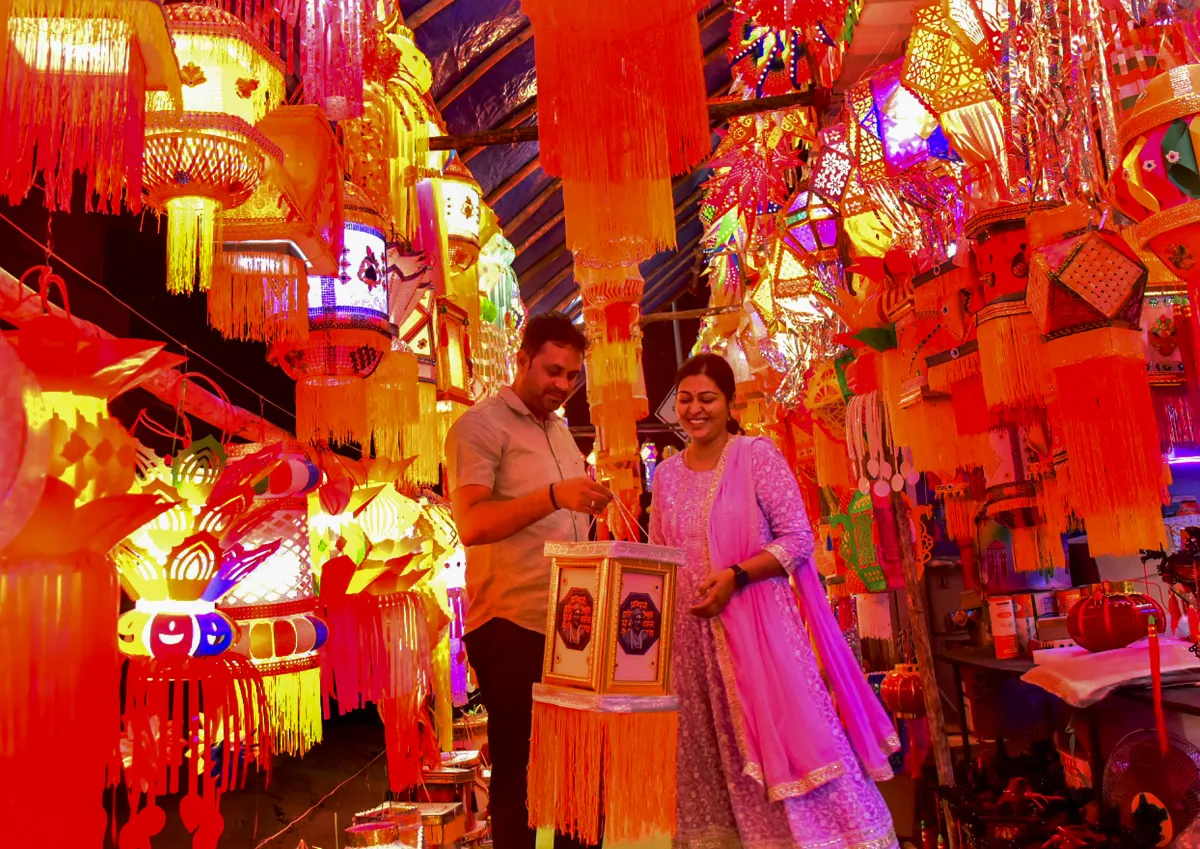
Mumbai:
Ahead of Diwali celebrations, the Brihanmumbai Municipal Corporation (BMC) on Wednesday issued an advisory for Muimbaikars, urging them to avoid bursting crackers inside buildings, near trees, overhead wires as well as gas pipelines. The advisory is issued as Diwali will be celebrated next week.
BMC issues Diwali advisory: Check guidelines
- "For any emergencies, citizens should contact fire and rescue services through emergency numbers 101 and 1916," the Mumbai civic body said.
- The festival should be celebrated in an eco-friendly manner ensuring that there is no air and noise pollution due to the bursting of crackers, it said.
- The fire brigade stressed the importance of adult supervision while children burst fire crackers.
- "Mumbaikars should celebrate Diwali, the festival of lights, in an environment-friendly manner. Also, while lighting lamps and bursting crackers, one should give top priority to their safety," it said.
- The fire brigade advised citizens to wear cotton clothes to reduce the risk of burns, keep a bucket of water nearby to douse fire immediately and clean fire injuries with water, wear footwear while bursting crackers, it added.
- It also said people should avoid bursting crackers inside buildings or their staircases, using open flames like lighters for lighting crackers.
Keeping these guidelines in mind, the Mumbaikars should burst crackers away from trees, overhead wires, gas pipelines, and parking areas, and certified technicians be hired to set up decorative lights and to avoid overloading electrical circuits.
With inputs from PTI