- News
- Jammu And Kashmir
- 'Stay safe, don't rush back': J-K police warns border village residents after shelling
'Stay safe, don't rush back': J-K police warns border village residents after shelling
Jammu and Kashmir authorities urge caution and warn against returning to evacuated border villages due to unexploded shells, following intense cross-border shelling and escalating tensions between India and Pakistan.
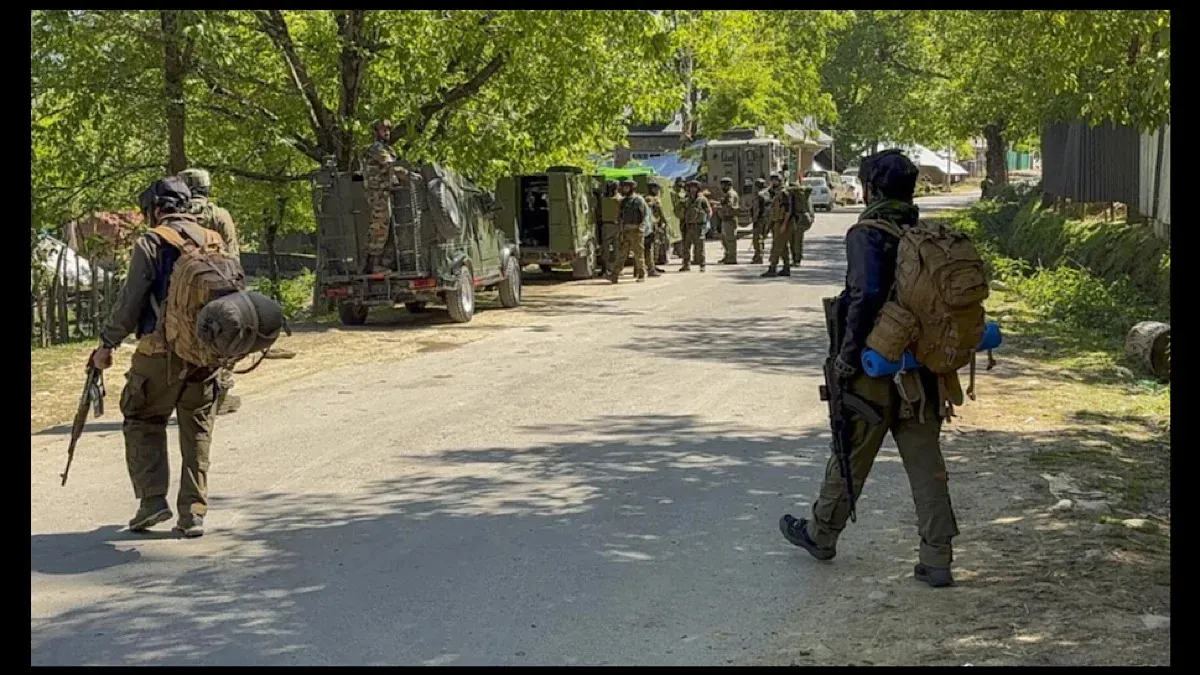
Authorities in Jammu and Kashmir have issued an urgent advisory asking residents of border villages to refrain from returning to their homes, following intense cross-border shelling by Pakistan that forced the evacuation of over 1.25 lakh people. The evacuation was primarily from villages near the Line of Control (LoC) in the Baramulla, Bandipora, and Kupwara districts, which have been the focal points of heightened military activity.
In an official statement, police warned that unexploded shells from the shelling remain scattered throughout the evacuated areas, posing a significant threat to civilian lives. "Do not return to frontline villages. Lives are at risk as unexploded munitions remain (scattered) after Pakistani shelling," the advisory cautioned.
The authorities have assured the public that bomb disposal squads will be deployed to sanitise and clear the affected areas. However, they stressed that until these operations are completed, the risk of injury or death remains high. "As many as 41 lives were lost in explosions of leftover shells near the LoC in 2023 alone," the advisory highlighted, underscoring the dangers of civilians rushing back before the areas are declared safe.
Rising toll from shelling and explosions
The recent escalation began after India launched Operation Sindoor, a retaliatory strike targeting terror infrastructures in Pakistan and Pakistan-occupied Kashmir (PoK) on April 22. The operation was carried out in response to a deadly attack in Pahalgam, Jammu and Kashmir, which left 26 people dead. In retaliation, Pakistan intensified its cross-border shelling, hitting civilian areas in Jammu and Kashmir, particularly in the border regions.
As of now, the Poonch district has reported the highest number of casualties, with 18 of the total 25 fatalities recorded in the past week. Over 50 others have been injured since Wednesday. Local authorities have been working around the clock to provide medical assistance and shelter to the displaced residents. At the same time, law enforcement and military units have intensified patrols along the LoC to maintain security.
Ceasefire and Diplomatic Tensions
In a rare development, India and Pakistan reached an understanding on Saturday to halt all military actions, including firings, drone strikes, and missile launches across land, air, and sea. The ceasefire agreement was meant to bring an end to four days of intense cross-border aggression, which had raised concerns about a larger military confrontation.
However, hours after the agreement was announced, New Delhi accused Islamabad of violating the ceasefire, claiming that Pakistani forces continued to target Indian positions along the LoC. In a late-night media briefing, India’s Foreign Secretary Vikram Misri expressed grave concern over these violations and urged Pakistan to take "appropriate steps" to de-escalate the situation.
“We call on Pakistan to deal with this situation with seriousness and responsibility. It is vital that both sides adhere to the ceasefire agreement to avoid further loss of life,” Misri said.
Humanitarian concerns
The ongoing conflict has put tremendous strain on the civilian population in Jammu and Kashmir. More than 1.25 lakh people were evacuated from their homes in the wake of the shelling, with many seeking shelter in schools, community halls, and other temporary accommodations. Humanitarian organisations have been coordinating with local authorities to provide food, medical supplies, and psychological support to the affected families.
Despite the ceasefire, tensions remain high, and the situation remains fluid. Military analysts suggest that while the truce may temporarily de-escalate hostilities, the underlying issues between India and Pakistan continue to simmer, with no clear resolution in sight. The region remains highly vulnerable to flare-ups, with both sides maintaining significant military presence along the LoC.