- News
- Explainers
- Delhi airport chaos: What is AMSS and why its failure led to more than 800 flights getting delayed | EXPLAINED
Delhi airport chaos: What is AMSS and why its failure led to more than 800 flights getting delayed | EXPLAINED
Delhi's Indira Gandhi International Airport reeled under chaos for 48 hours after a technical snag at the Air Traffic Control led to over 800 flights getting delayed until Friday.
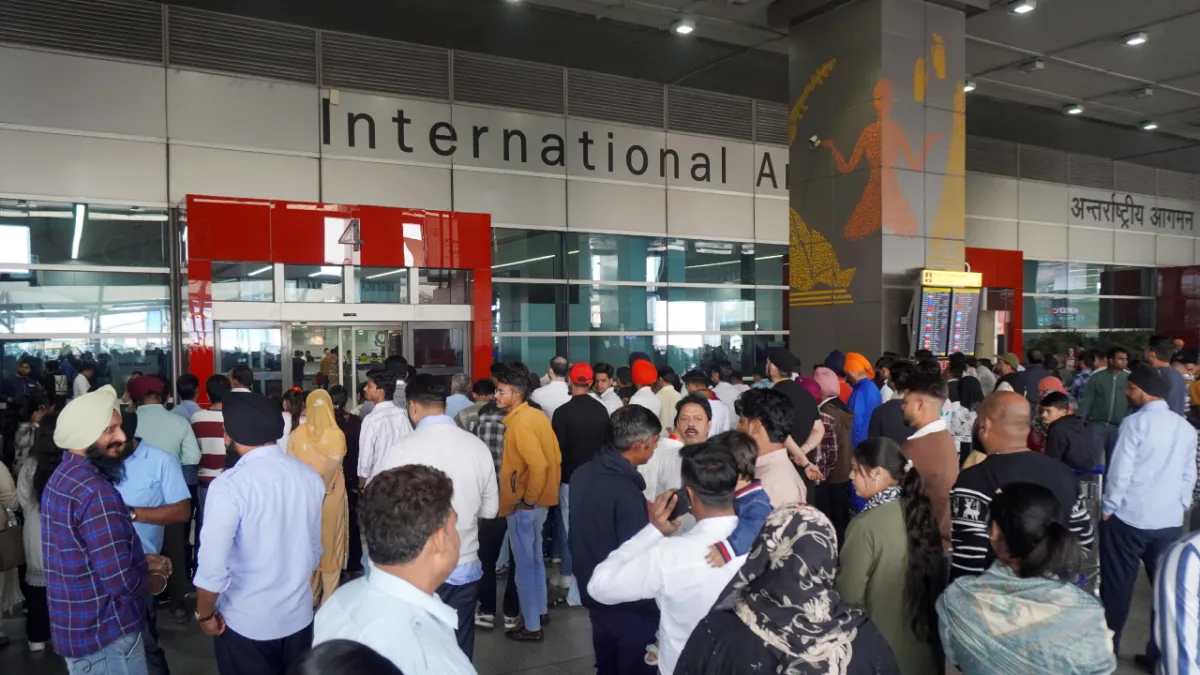
Delhi’s Indira Gandhi International Airport, the busiest in the country, witnessed significant disruption for 48 hours as a major technical fault in the Air Traffic Control (ATC) communication system led to widespread flight delays. More than 800 domestic and international flights were delayed on Thursday and Friday affected before the issue was fixed. The snag resulted in long queues, crowded terminals, and anxious passengers awaiting updates, while airline operations struggled to adjust to the slowdown in flight-planning processes.
The state-owned Airports Authority of India (AAI) on Friday said the problem was identified in the IP-based Automatic Message Switching System of the Air Traffic Control and fixed on November 7. The authority added that some delays may continue due to the backlog created by the disruption, but normal airport and flight operations are expected to resume soon.
What is AMSS and why its failure caused chaos at Delhi Airport?
The Automatic Message Switching System, commonly known as AMSS, is a core digital system used inside airports to support Air Traffic Control (ATC) operations. It functions as a central communication hub that processes, stores and distributes aviation messages in real time. These messages include flight plans, weather updates, aircraft movement details, and coordination alerts between different aviation authorities. In simple terms, AMSS ensures that everyone involved in managing flight operations receives the right information at the right time.
At busy airports like Delhi’s Indira Gandhi International Airport (IGIA), which handles more than 1,500 flights every day, AMSS plays an essential role. The system automatically updates flight plans and routes critical data to air traffic controllers, airlines and ground operations teams. By doing this automatically, it reduces manual workload and helps ensure timely take-offs and landings. When AMSS works smoothly, aircraft movement remains coordinated and efficient.
However, if AMSS develops a technical fault, the entire flow of information slows down. This is precisely what happened at Delhi Airport. A technical glitch occurred during an ongoing software upgrade in the ATC system, causing the automatic updating of flight plans to stop. As a result, air traffic controllers were unable to access flight information directly through the system and were forced to prepare and manage flight plans manually.
Manual management significantly increases workload and time required to process each aircraft movement. Since Delhi Airport handles such a high volume of flights, even a brief slowdown can lead to widespread delays. On Thursday and Friday, more than 800 domestic and international flights were delayed, with several flights running half an hour to an hour late. The impact was also felt at airports in cities such as Mumbai, Jaipur, Lucknow and Varanasi, but only because flights from Delhi to those destinations were delayed. The Airports Authority of India clarified that there were no AMSS issues at any other airport.
The disruption led to long queues at boarding gates and waiting areas as passengers sought updates. Major airlines such as IndiGo, Air India, Air India Express, SpiceJet and Akasa confirmed that their flights were delayed due to the ATC system issue. Authorities stressed that the disruption was not the result of a cyber attack, but simply a technical malfunction during a system upgrade.
|
Delhi airport technical issue resolved after 800 flight delays, operations to normalise soon |