Rekha Gupta, Delhi CM, unveils comprehensive 4-year blueprint to slash air pollution | Details
By Jan 31, 2026, a pilot initiative will roll out at 10 major metro stations, deploying e-autos, bike taxis, and feeder cabs for seamless last-mile links. Delhi Metro currently spans 395 km and plans to reach 500 km, serving 30-35 lakh daily passengers.
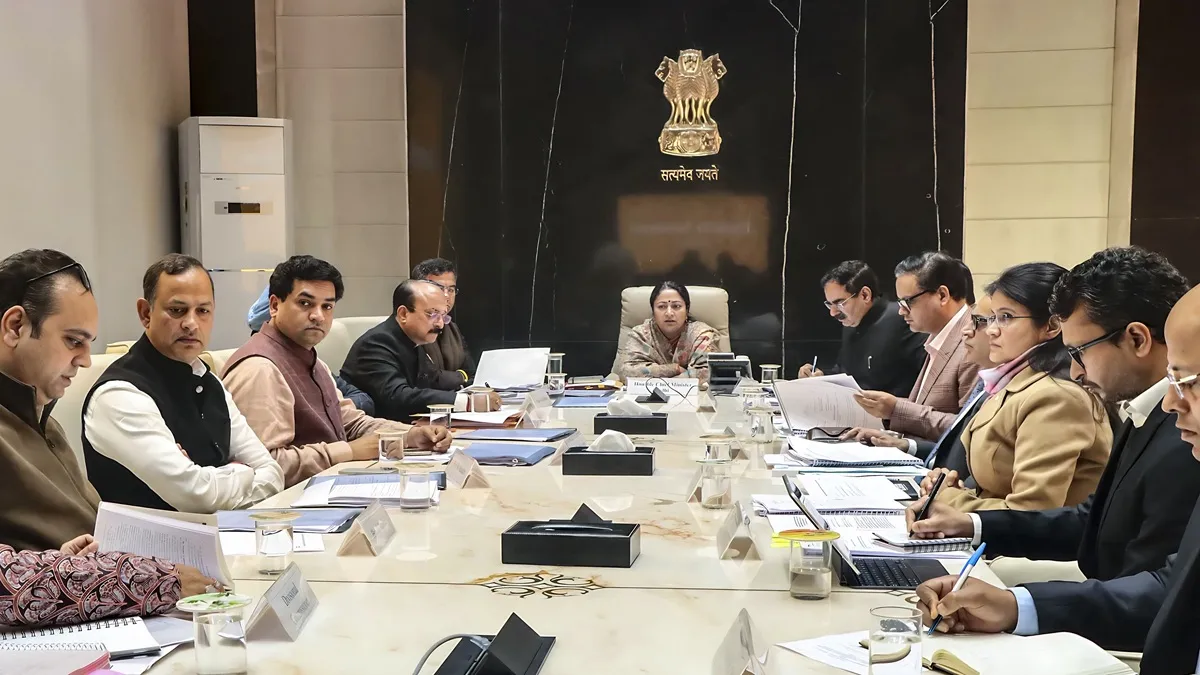
Delhi Chief Minister Rekha Gupta chaired a high-level review meeting at the Delhi Secretariat on Friday (January 16) to accelerate the fight against severe air pollution. Attended by ministers, chief secretary, Delhi Development Authority (DDA), Delhi Traffic Police, Municipal Corporation of Delhi (MCD), Public Works Department (PWD), environment, industry and transport department officials, the session emphasised timely execution of the government's anti-pollution blueprint. CM Gupta stressed round-the-clock efforts over the next 12 months, backed by short- and long-term plans, with central government guidance ensuring decisive action.
Ambitious public transport overhaul
The transport department outlined a massive bus fleet expansion to reduce private vehicle reliance. Delhi aims to deploy 14,000 buses by phases: 6,000 by December 31, 2026; 7,500 by December 31, 2027; 10,400 by March 31, 2028; and the full 14,000 by March 31, 2029. Among these, 500 seven-meter buses will enhance last-mile connectivity, integrated with the Delhi Metro network- currently supported by 100 electric metro feeder buses.
A pilot project launches by January 31, 2026, at 10 key metro stations, introducing e-autos, bike taxis, and feeder cabs. The Delhi Metro's network stands at 395 km today, expanding to 500 km, with daily ridership of 30-35 lakh passengers expected to double post-Phase 4. NCRTC's network will grow to 323 km over four years.
EV policy 2.0 targets two-wheelers and commercial fleets
Under the new Electric Vehicle Policy 2.0, focus shifts to Delhi's 58 lakh two-wheelers, offering subsidies and scrappage incentives for owners. Public charging and battery swapping points will surge from 9,000 to 36,000. Commercial trucks and three-wheelers benefit from interest subventions and the central PM E-Drive scheme.
Traffic decongestion targets 62 identified hotspots, with improvements underway at 30. DTC has seconded 1,200 staff to traffic police for better management.
Road repairs and dust suppression drive
A Rs 6,000 crore budget addresses 3,300 km of dilapidated roads: 800 km under PWD, 1,200 km MCD, and 1,000 km in unauthorized colonies. Plans include full paving of edges and central verges, greening, and underground utility ducts to prevent repeated digging- all targeted for completion in one year.
Dust control ramps up with 76 mechanical road sweeping machines (MRSM) already deployed by MCD, NDMC, DSIIDC, and NHAI; MCD adds 14 more by January 31, 2026. Approval for 70 additional MRSMs on narrower roads. PWD deploys 70 MRSMs plus 140 litter pickers, dust dumpers, and water tankers (Rs 2,000 crore cost). Citywide, 250 water sprinkler-cum-anti-dust machines (another Rs 2,000 crore) will prevent road dust.
Waste management and industrial crackdown
MCD landfill clearance timelines: Okhla by July 2026, Bhalswa by October 2026, Ghazipur by December 2027. Delhi government allocates ₹500 crore this fiscal year and ₹300 crore annually for waste management. Over 1,000 polluting industrial units sealed; major ones must install Online Continuous Emission Monitoring Systems (OCEMS) for real-time oversight.
Green cover expansion and biomass mitigation
Next four years target 35 lakh trees in the Delhi Ridge, including 14 lakh this year, plus 365 acres of brown park redevelopment. A new processing plant in Tukhram handles biomass and construction waste dust. To curb winter trash burning, 15,500 electric heaters distributed as alternatives to biomass.
Smart parking and polluting vehicle enforcement
Addressing parking shortages, plans include zero-parking zones, road-edge reforms, smart pricing, and multi-level facilities in crowded markets to cut private vehicle use. ANPR systems at entry points will monitor and penalize polluting vehicles via a dedicated campaign.