PIL in Delhi High Court seeks removal of Afzal Guru, Maqbool Bhatt's graves from Tihar jail
A PIL in the Delhi High Court seeks the removal or secret relocation of Afzal Guru and Maqbool Bhatt’'s graves from Tihar Jail, arguing they risk becoming sites of extremist glorification.
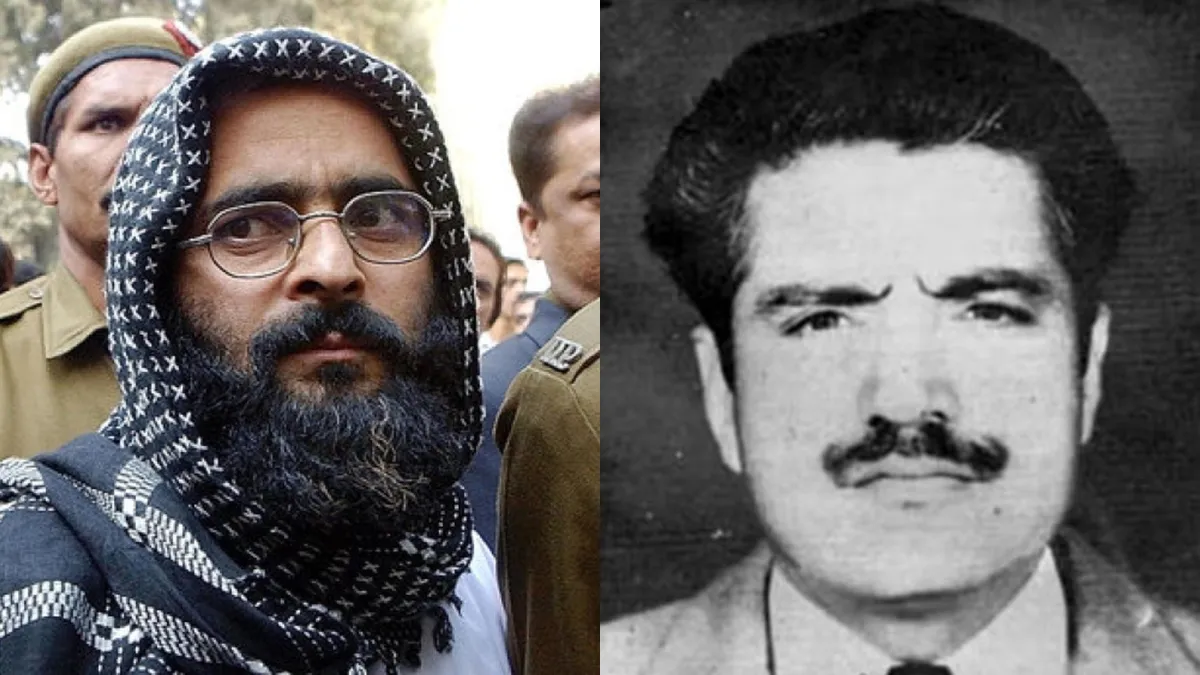
A public interest litigation (PIL) has been filed in the Delhi High Court demanding the removal of the graves of terrorists Mohammad Afzal Guru and Mohammad Maqbool Bhatt from inside Tihar Jail premises. Both were executed after being convicted for acts of terrorism—Bhatt in 1984 and Guru in 2013.
The petition, filed by Vishwa Vedic Sanatan Sangh, argues that the continued existence of these graves inside a state-run prison is illegal, unconstitutional, and against public interest. It alleges that the graves have turned Tihar into a “radical pilgrimage site,” where extremist elements gather to glorify convicted terrorists by portraying them as martyrs.
Plea seeks relocation of mortal remains
The petition has sought court directions for the authorities to either remove the graves entirely or, if necessary, transfer the mortal remains to a secret location in accordance with the law. It cites past cases such as Ajmal Kasab and Yakub Memon, where executed terrorists were buried discreetly to prevent their graves from becoming sites of radicalisation.
Concerns over security and rule of law
The PIL claims that allowing graves within the prison complex undermines national security, glorifies terrorism, and violates provisions of the Delhi Prisons Rules, 2018. These rules mandate that bodies of executed prisoners be disposed of in a manner that prevents public disorder and avoids turning them into symbols of extremist ideology.
The plea further argues that both Afzal Guru, convicted in the 2001 Parliament attack case, and Maqbool Bhatt, a JKLF founder hanged in 1984, acted under extremist jihadi ideology that threatened India's sovereignty and territorial integrity. Permitting their graves to remain within Tihar, the petitioners contend, risks turning the prison into a site of ideological propagation.
The petition urges the High Court to direct the immediate removal and secret relocation of the graves, in line with established state practice, to safeguard public order and prevent misuse of prison premises for extremist glorification.