DMRC Inauguration Day: Five unknown or unique things about Delhi Metro
Delhi Metro began operations on December 24, 2002, with an 8.2-km stretch of the Red Line, inaugurated by former Prime Minister Atal Bihari Vajpayee. Today marks 23 years of its service. Since then, it has grown into one of the world’s largest metro networks.
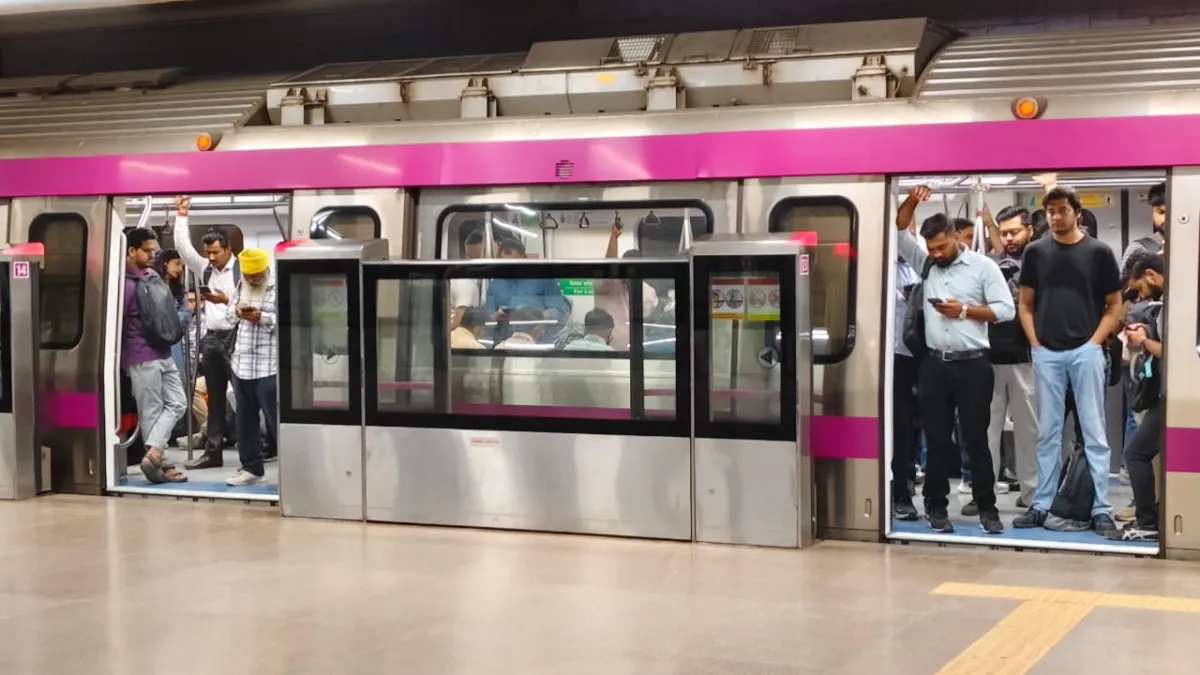
Every day, lakhs of people travel by the Delhi Metro, but many may not know how it all began. The Delhi Metro started its journey with a small 8.2-kilometre stretch of the Red Line, running between Shahdara and Tis Hazari. The first train, named TS-01, was flagged off on December 24, 2002, by then Prime Minister Atal Bihari Vajpayee from Kashmere Gate. Several senior leaders, including then Delhi Chief Minister Sheila Dikshit and DMRC’s first chief E Sreedharan, were present at the historic launch. Today marks 23 years since the Delhi Metro began carrying passengers.
Unknown things about Delhi metro
From Kolkata to Delhi: India’s Metro story
India’s first metro service started in Kolkata on October 24, 1984. Inspired by Kolkata’s success, the Delhi Metro Rail Corporation began operations two decades later. Since then, Delhi Metro has grown rapidly and is now considered one of the most reliable public transport systems in the country.
Biggest and smallest metro stations
Kashmere Gate is the largest metro station in Delhi. It connects three major lines — Red, Yellow, and Violet and has eight entry and exit gates spread across a massive area. On the other end is Ashram Metro Station on the Pink Line. It is the smallest station in the network, with just one entry and exit point.
One of the world’s largest Metro networks
The Delhi Metro network now stretches over 300 kilometres, placing it among the largest metro systems in the world. It stands alongside famous networks such as those in London, New York, Beijing, and Shanghai. With eight-coach trains running daily, the Delhi Metro carries nearly 2.8 million passengers every day, making it a lifeline for the capital.
Deepest, highest, and a special museum
Hauz Khas is the deepest station on the Delhi Metro map, located almost 95 feet below ground. Chawri Bazar follows closely as the second deepest station. The highest point of the metro track is near Dhaula Kuan. Delhi Metro is also home to a unique attraction the Metro Museum at Patel Chowk, the only museum in South Asia dedicated entirely to a metro railway.
Why Metro trains always have even coaches
Have you noticed that Delhi Metro trains always have an even number of coaches? This is because the coaches work in pairs. Each pair includes a driver’s cabin coach and a motor coach. These two function as a single unit and cannot operate separately. This design helps the trains run smoothly and efficiently.