Delhi's visibility drops below 200 meters amid severe pollution, GRAP 3 restrictions likely soon
Delhi air pollution: Delhi woke up to hazy skies this morning, with visuals from India Gate and Kartavya Path showing a thick layer of smog blanketing the city. The air quality in the national capital remains in the 'very poor' category as winter sets in across northern India.
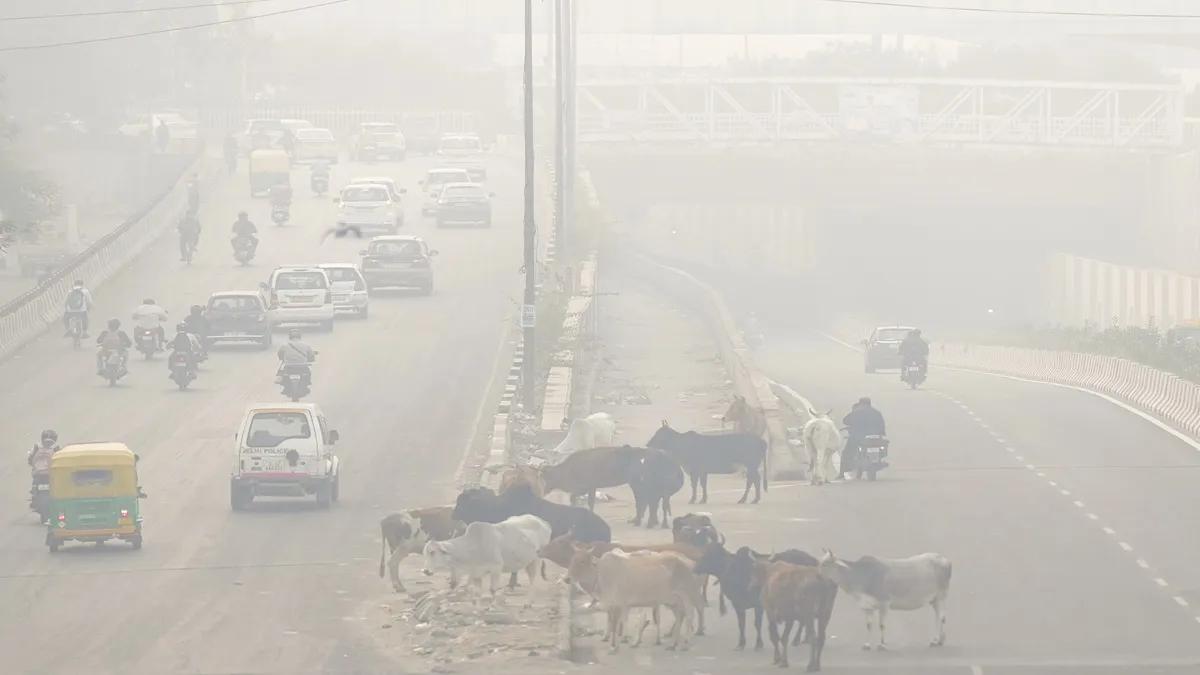
A thick layer of toxic smog enveloped Delhi this morning, resulting in drastically reduced visibility across major areas such as Lodhi Road, Akshardham, and India Gate. Air Quality Index (AQI) readings for these locations ranged from 'Very Poor' (377–381) to 'Severe' (412), far above safe levels defined by the Central Pollution Control Board (CPCB). Outlying areas were also severely affected, with AQI readings above 400 at sites like Alipur, Anand Vihar, Ashok Vihar, and Bawana, underlining the scale of the crisis. In neighbouring cities, Noida and Ghaziabad reported similarly dangerous pollution levels.
Rising health and environmental risks
With AQI levels reaching hazardous territory, Delhi residents faced an increased risk of respiratory, cardiac, and other health complications. Reports indicate visibility dropping below 200 meters in some parts of the city due to the dense smog, causing major disruptions and raising urgent public health concerns. Experts compared short-term exposure to Delhi's air to smoking several cigarettes a day, underscoring the severity of the crisis.
Government response: Expanding 'Ujjwala Yojana'
In light of these conditions, the Delhi government, led by Chief Minister Rekha Gupta, has announced the extension of the Pradhan Mantri Ujjwala Yojana (PMUY) to slum clusters. The initiative seeks to curb pollution and improve public health by providing LPG connections to slum households still reliant on traditional stoves and coal-fired heaters, which contribute to indoor and ambient air pollution. Gupta directed the Delhi Urban Shelter Improvement Board (DUSIB) to conduct a citywide survey to identify such families, with the goal of protecting health and promoting sustainable living. The measures are part of an effort to tackle sources of pollution beyond industrial and vehicular emissions, focusing on household practices.
Additional measures for pollution control
Officials from civic agencies have been mobilised for intensified cleaning operations, including water sprinkling, mechanical dust suppression, and road repairs to control dust and particulate matter. Maintenance vans have been deployed citywide, and urban local bodies have been instructed to use all available sanitation resources for cleanliness drives. The government stressed its commitment to coordinating immediate and long-term efforts across departments to make Delhi’s air cleaner and healthier.
The air quality early warning system predicts Delhi's air will remain in the 'very poor' category for the coming days, with possible escalation to emergency measures if conditions worsen, such as imposing the Graded Response Action Plan (GRAP) Stage 3 restrictions. Meanwhile, the government remains focused on distributing clean fuel under the Ujjwala Yojana and intensifying operations aimed at dust and pollution suppression throughout the capital.
Delhi’s air pollution crisis continues to pose serious challenges to public health and safety, prompting strong and coordinated action from the government and agencies citywide.