- News
- Chhattisgarh
- Bastar emerges from shadow of Naxal violence: India TV Exclusive with IG Sundarraj Pattilingam
Bastar emerges from shadow of Naxal violence: India TV Exclusive with IG Sundarraj Pattilingam
Home Minister Amit Shah on Monday spoke at length about the issue of Naxalism and declared India was now free of Left-wing extremism.
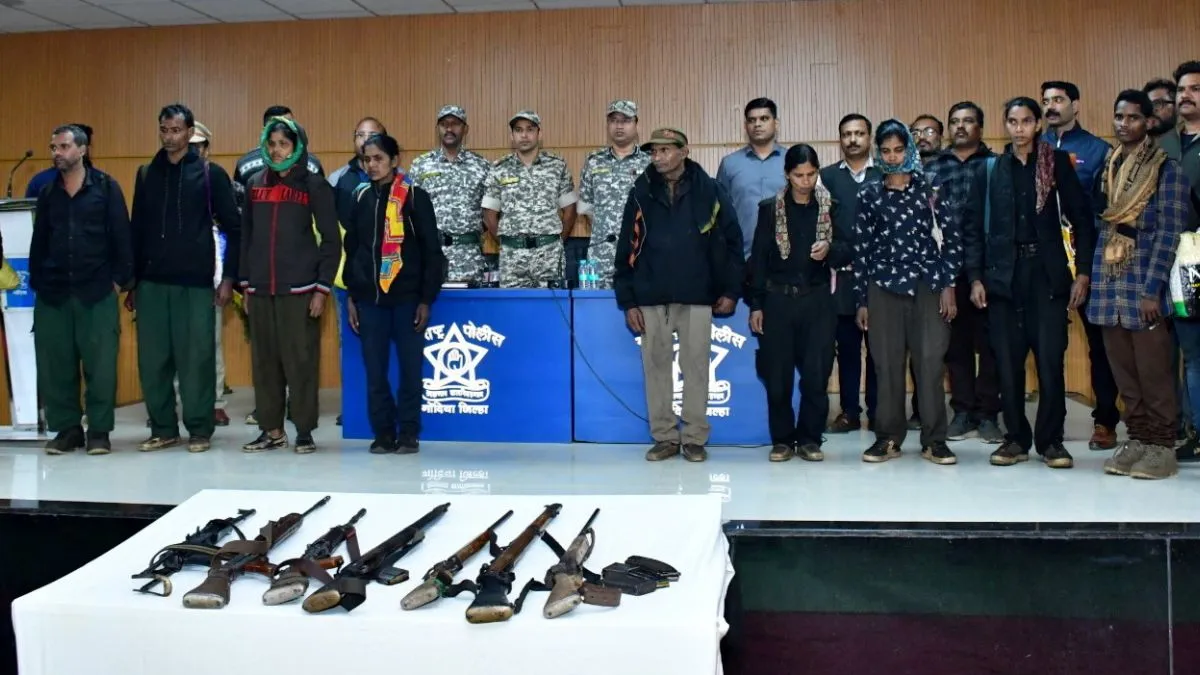
Once known as India’s “Red Corridor,” Bastar’s forests and villages were long synonymous with fear, violence and extortion by Maoist insurgents. Today, the region is witnessing peace and development, marking a decisive end to Naxal terrorism. Home Minister Amit Shah on Monday spoke at length about the issue and declared India was now free of Left-wing extremism.
India TV spoke exclusively with Bastar Range IG Sundarraj Pattillingam to uncover the strategies behind this transformation.
Q: Comparing the peak of Naxalism and today, what stands out as the biggest change on the ground?
A: The biggest change is the collapse of Naxal leadership and their shrinking cadre. Coordinated efforts by DRG, STF, Bastar Fighters, COBRA and central forces like CRPF, BSF, ITBP and SSB created operational pressure across states. Naxals no longer have safe havens; most top leaders have been neutralized, and remaining cadres are surrendering and opting for rehabilitation.
Q: How did Naxals terrorise local communities and how did people live under their fear?
A: Initially, Naxals claimed to fight for land and forest rights, but over time, they relied on violence, extortion and forced recruitment of children and youth. They brutally suppressed any local resistance, creating an atmosphere of fear. Government and police outreach gradually restored trust, enabling communities to live without fear and participate in peace initiatives.
Q: How dangerous was it for security personnel to operate in those times? What were the main challenges?
A: Bastar spans 42,000 sq km of dense forests, rivers, and hills, with 60% forest cover. Early operations lacked local intelligence and resources. Vast distances between police camps made security coverage difficult. The deployment of DRG, Bastar Fighters, and paramilitary units, along with helicopters and modern equipment, improved operational efficiency and morale.
Q: How did the formation of special forces like DRG, Bastar Fighters, and COBRA change the course of operations?
A: Recruiting local youth for DRG and Bastar Fighters was key—they know the terrain, language, and community dynamics. COBRA complemented these forces as a national-level special unit. Local recruitment enhanced intelligence, mobility, and community trust, proving crucial in neutralising Naxals effectively.
Q: What role did Salwa Judum and District Reserve Guard play in anti-Naxal operations?
A: During Salwa Judum, many villagers relocated near police camps and assisted as guides or special police officers. Later, they were absorbed into formal security roles. Local women commandos also played a vital role in community engagement, helping regain public trust and nullify Naxal propaganda.
Q: How did security forces win over villagers previously intimidated by Naxals?
A: Government initiatives focused on development where Naxal influence waned. Villagers were encouraged to pursue livelihoods like forest produce collection, eco-tourism, and home-stays, with proper training and support. Programs like Niyad Nellanar brought essential services to remote areas, fostering trust and participation in peace and development.
Q: Which operations were personally impactful for you or marked a turning point?
A: My first encounter as ASP/SP was in 2005-06 at Churegaon, providing security to electricity crews targeted by Naxals. The major turning point was May 2025 in Abujhmad, where DRG and Bastar Fighters killed 27 top cadres, including CPI (Maoist) General Secretary Baswaraju. This decimated the leadership, causing widespread surrender. Another critical operation was in Koragutta Hills in summer 2025, lasting 21 days, neutralising 31 cadres and destroying weapons factories and last safe shelters. These operations broke the insurgency’s backbone and shifted momentum decisively.