Indian Railways approves several infra projects to enhance capacity, safety, operational efficiency: Details
To improve safety and operational efficiency, the Railways has approved the implementation of Electronic Interlocking (EI) at 34 stations on the Northern Railway route where the Kavach system is being installed.
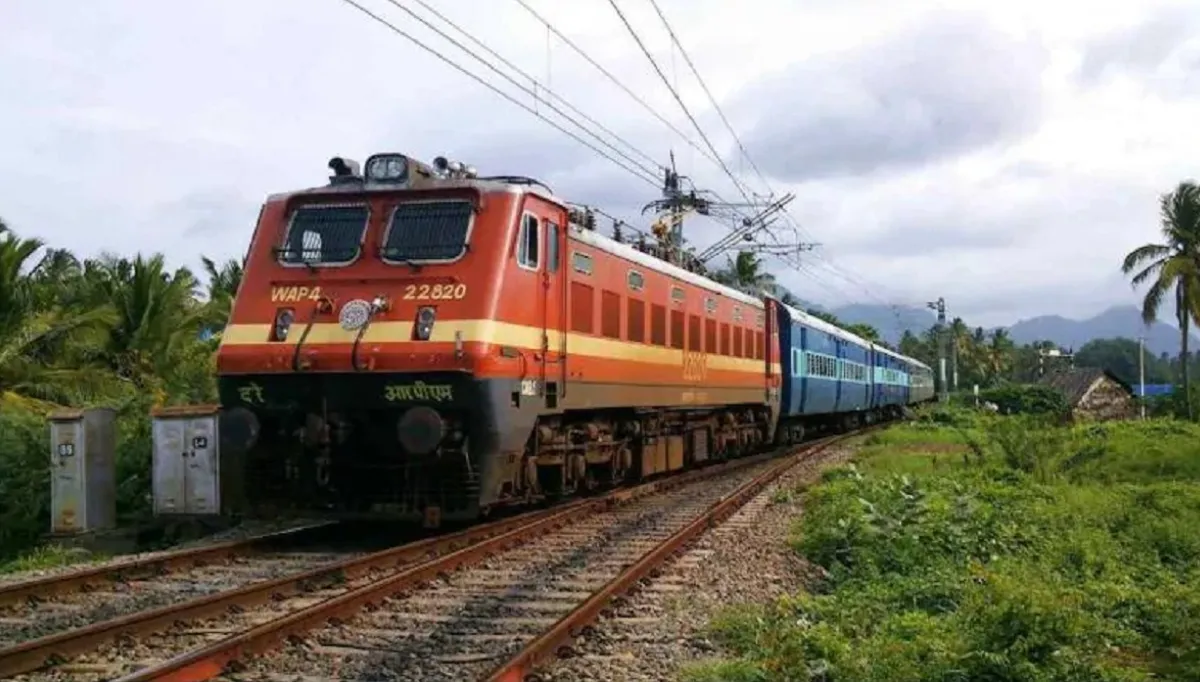
India Railways has approved several rail infrastructure projects to ease congestion, increase line capacity, improve safety, and enable faster, more reliable passenger and freight traffic across the country. These approvals are for the Southern, Northern, and Southeastern Railways, covering line doubling, third and fourth lines, bypass corridors, and advanced electronic interlocking systems.
Barbenda-Damrughutu line doubling and Damrughutu-Bokaro Steel City 3rd and 4th lines
The Barbenda-Damrughutu Line Doubling and the Damrughutu-Bokaro Steel City third and fourth Lines in Jharkhand are major capacity expansion projects under the South Eastern Railway, costing Rs 815.32 crore. These projects are a vital link in India's energy, mineral, and cement corridor. Currently, the line operates at 108 per cent utilisation, with trains having to stop for 90-150 minutes. It handles 78 trains (38 passenger and 40 freight trains) daily and supports a freight traffic of 35.22 MTPA. If no action is taken, utilisation is projected to reach 132 per cent by 2028-29. These projects strengthen connectivity to key industrial and energy hubs, including central coalfields, cement and steel plants, Hindustan Petroleum Corporation Limited depots, Bharat Petroleum Corporation Limited depots, and the Bokaro Steel City industrial ecosystem. By increasing capacity, these expansions will directly improve energy logistics, industrial production, and the efficiency of the national supply chain.
Electronic interlocking on High-Density Network (HDN) and Highly Utilised Network (HUN) routes
To improve safety and operational efficiency, the Railways has approved the implementation of Electronic Interlocking (EI) at 34 stations on the Northern Railway route where the Kavach system is being installed. This includes 21 stations in the Delhi Division at a cost of Rs 292.24 crore and 13 stations in the Ambala Division at a cost of Rs 129.17 crore. These upgrades will enable faster and safer train operations, improve signalling system reliability, support higher train frequencies on high-density routes, and complement modern train protection systems.
India Railways has approved several rail infrastructure projects to ease congestion, increase line capacity, improve safety, and enable faster, more reliable passenger and freight traffic across the country. These approvals are for the Southern, Northern, and Southeastern Railways, covering line doubling, third and fourth lines, bypass corridors, and advanced electronic interlocking systems.
Barbenda-Damrughutu line doubling and Damrughutu-Bokaro Steel City 3rd and 4th lines
The Barbenda-Damrughutu Line Doubling and the Damrughutu-Bokaro Steel City third and fourth Lines in Jharkhand are major capacity expansion projects under the South Eastern Railway, costing Rs 815.32 crore. These projects are a vital link in India's energy, mineral, and cement corridor. Currently, the line operates at 108 per cent utilisation, with trains having to stop for 90-150 minutes. It handles 78 trains (38 passenger and 40 freight trains) daily and supports a freight traffic of 35.22 MTPA. If no action is taken, utilisation is projected to reach 132 per cent by 2028-29. These projects strengthen connectivity to key industrial and energy hubs, including central coalfields, cement and steel plants, Hindustan Petroleum Corporation Limited depots, Bharat Petroleum Corporation Limited depots, and the Bokaro Steel City industrial ecosystem. By increasing capacity, these expansions will directly improve energy logistics, industrial production, and the efficiency of the national supply chain.
Electronic interlocking on High-Density Network (HDN) and Highly Utilised Network (HUN) routes
To improve safety and operational efficiency, the Railways has approved the implementation of Electronic Interlocking (EI) at 34 stations on the Northern Railway route where the Kavach system is being installed. This includes 21 stations in the Delhi Division at a cost of Rs 292.24 crore and 13 stations in the Ambala Division at a cost of Rs 129.17 crore. These upgrades will enable faster and safer train operations, improve signalling system reliability, support higher train frequencies on high-density routes, and complement modern train protection systems.
Rajpura Bypass Line
The approval of the 13.46 km long Rajpura Bypass Line will significantly improve capacity and operational efficiency on the Ambala-Jalandhar section, one of Northern Railway's busiest corridors. The project will cost Rs 411.96 crore. The project will provide direct rail connectivity between the New Shambhu Dedicated Freight Corridor (DFC) station and Kaulli station on the Rajpura-Bathinda line, allowing freight trains to bypass the congested Rajpura Yard. This will facilitate freight movement, reduce pressure on existing lines, and help meet growing traffic demand. It will also ensure better integration with the DFC and more reliable passenger and freight operations across the region.
Alappuzha-Ambalapuzha line doubling
The line doubling project on the Alappuzha-Ambalapuzha section is a strategically important project that will alleviate a significant single-line bottleneck on the Ernakulam-Turvoor-Kayamkulam route. Upon completion, the project will enable the operation of nine additional passenger trains per day in each direction, add 2.88 million tonnes per annum (MTPA) of freight capacity, and generate additional annual revenue of Rs 3.23 crore. The project will significantly improve operational efficiency by reducing delays for both passenger and freight trains. The line doubling project on this 12.66 km section will cost Rs 324.16 crore.
Palakkad Town–Parli Bypass Line
The Palakkad Bypass Project will provide immediate operational and passenger benefits by eliminating engine reversals for many train services at Palakkad Junction in Kerala. It will reduce the average delay of passenger trains by 40-44 minutes and freight delays by 120 minutes per train, and also support additional passenger services planned from Palakkad Junction. By streamlining train movements along the 1.80 km-long Palakkad Town-Parli Bypass Line, the bypass will significantly improve punctuality on routes connecting Shoranur, Thiruvananthapuram, and Pollachi, while reducing congestion at one of the busiest junctions on the Southern Railway. The project will cost Rs 163.57 crore.
Irugur-Podanur doubling
Approval has been granted for the doubling of the 10.77 km Irugur-Podanur section in Tamil Nadu, a vital link on the Chennai-Thiruvananthapuram corridor. The project will allow the operation of 15 additional passenger trains per day and increase freight capacity by 3.12 million tonnes per annum (MTPA), which is expected to increase annual net earnings by Rs 11.77 crore. The work will cost Rs 277.42 crore.
The approval of the 13.46 km long Rajpura Bypass Line will significantly improve capacity and operational efficiency on the Ambala-Jalandhar section, one of Northern Railway's busiest corridors. The project will cost Rs 411.96 crore. The project will provide direct rail connectivity between the New Shambhu Dedicated Freight Corridor (DFC) station and Kaulli station on the Rajpura-Bathinda line, allowing freight trains to bypass the congested Rajpura Yard. This will facilitate freight movement, reduce pressure on existing lines, and help meet growing traffic demand. It will also ensure better integration with the DFC and more reliable passenger and freight operations across the region.
Alappuzha-Ambalapuzha line doubling
The line doubling project on the Alappuzha-Ambalapuzha section is a strategically important project that will alleviate a significant single-line bottleneck on the Ernakulam-Turvoor-Kayamkulam route. Upon completion, the project will enable the operation of nine additional passenger trains per day in each direction, add 2.88 million tonnes per annum (MTPA) of freight capacity, and generate additional annual revenue of Rs 3.23 crore. The project will significantly improve operational efficiency by reducing delays for both passenger and freight trains. The line doubling project on this 12.66 km section will cost Rs 324.16 crore.
Palakkad Town–Parli Bypass Line
The Palakkad Bypass Project will provide immediate operational and passenger benefits by eliminating engine reversals for many train services at Palakkad Junction in Kerala. It will reduce the average delay of passenger trains by 40-44 minutes and freight delays by 120 minutes per train, and also support additional passenger services planned from Palakkad Junction. By streamlining train movements along the 1.80 km-long Palakkad Town-Parli Bypass Line, the bypass will significantly improve punctuality on routes connecting Shoranur, Thiruvananthapuram, and Pollachi, while reducing congestion at one of the busiest junctions on the Southern Railway. The project will cost Rs 163.57 crore.
Irugur-Podanur doubling
Approval has been granted for the doubling of the 10.77 km Irugur-Podanur section in Tamil Nadu, a vital link on the Chennai-Thiruvananthapuram corridor. The project will allow the operation of 15 additional passenger trains per day and increase freight capacity by 3.12 million tonnes per annum (MTPA), which is expected to increase annual net earnings by Rs 11.77 crore. The work will cost Rs 277.42 crore.