Can Ayurvedic Herbs Support Hair Regrowth? Here's What Research Says
In Ayurveda, hair fall is rarely seen as an isolated issue. It’s believed to be the result of imbalances in the body's doshas-primarily Pitta, the dosha responsible for heat and metabolism.
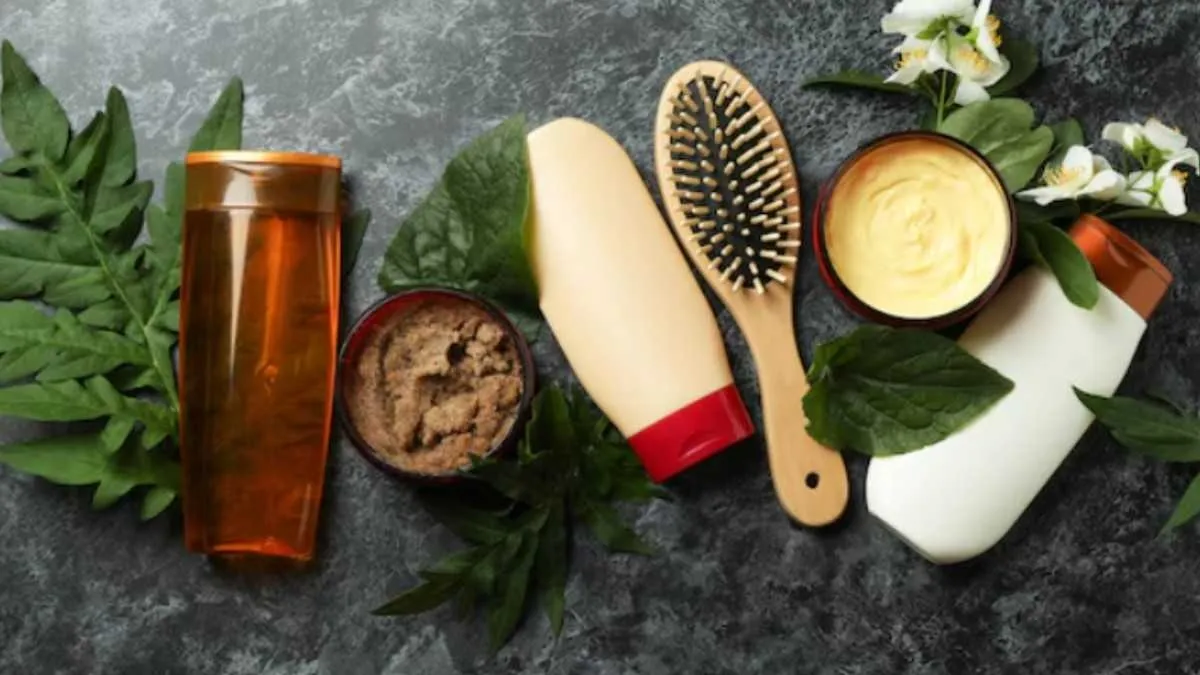
Ayurveda has been around for thousands of years, and while it's often associated with home remedies and natural healing, there’s a growing interest in how its traditional herbs might help with modern problems like chronic hair loss.
The question is simple: Can Ayurvedic herbs actually support hair regrowth? And more importantly, what does the science say?
Let’s break it down.
Ayurveda’s Take on Hair Fall
In Ayurveda, hair fall is rarely seen as an isolated issue. It’s believed to be the result of imbalances in the body's doshas-primarily Pitta, the dosha responsible for heat and metabolism.
But beyond the dosha explanation, Ayurveda’s real strength lies in its use of herbs that support the body’s internal health-which in turn, helps the hair grow better.
Unlike topical treatments that work only on the scalp, many Ayurvedic herbs work from within, helping reduce inflammation, support digestion, balance hormones, and improve blood circulation.
Popular Ayurvedic Herbs for Hair Health
Here are some of the most commonly used herbs and what they’re believed to do for hair:
-
Bhringraj: Often called the “king of herbs” for hair. Studies suggest it may help extend the anagen (growth) phase of hair and stimulate follicles.
-
Amla (Indian Gooseberry): Rich in vitamin C and antioxidants, amla supports collagen production and helps reduce scalp inflammation.
-
Ashwagandha: Known for its adaptogenic properties, it reduces stress-a common trigger for hair fall-and may balance cortisol levels.
-
Brahmi: Supports blood circulation to the scalp and is believed to strengthen the roots.
-
Neem: Has antimicrobial properties that help keep the scalp clean and reduce dandruff or fungal issues.
-
Methi (Fenugreek): Contains protein and nicotinic acid, both helpful in strengthening hair strands and reducing shedding.
What Does Research Say?
While Ayurvedic herbs are rooted in tradition, modern research is starting to back up some of their claims. Here are a few examples:
-
A 2008 study on Eclipta alba (Bhringraj) showed increased hair growth activity in mice, comparable to standard drug treatments.
-
Ashwagandha has been shown in human studies to reduce cortisol levels and improve stress markers, which is directly linked to stress-induced hair fall.
-
Fenugreek seed extract has shown promise in improving hair density and strength in small clinical trials.
-
Amla oil, when used regularly, has demonstrated antioxidant benefits and mild follicle stimulation in lab settings.
While more large-scale clinical studies are needed, early findings are promising-especially when these herbs are used consistently and in the right combinations.
The Real Power Lies in Synergy
One of the reasons Ayurveda works well is because it rarely relies on a single herb. Instead, it uses formulations-carefully balanced mixes of herbs designed to work together.
For example, combining amla and bhringraj may offer both antioxidant and follicle-activating benefits, while adding ashwagandha helps with the stress aspect of hair fall. This multi-pronged approach tackles hair loss from different angles.
What to Keep in Mind
If you're considering Ayurvedic herbs for hair regrowth, here are a few things to remember:
-
Consistency is key. These aren’t magic pills. They take time to show results-often 3 to 6 months.
-
Not all products are created equal. Quality and sourcing matter. Look for standardized extracts or doctor-recommended formulations.
-
Internal + External works best. While herbal oils help nourish the scalp, combining them with internal herb supplements offers better long-term benefits.
-
Consult if you have medical conditions. Even natural herbs can interact with medications or conditions like thyroid, PCOS, etc.
An Example of a Balanced Approach
Brands like Traya are starting to combine the best of Ayurveda with modern science. Instead of just selling single-ingredient products, they create tailored treatment plans that include Ayurvedic herbs along with dermatologist-prescribed topicals and nutrition support.
This blend of tradition and clinical support makes the herbs more effective and sustainable for long-term hair regrowth.
Final Thoughts
So, can Ayurvedic herbs support hair regrowth? The answer is yes, but with the right expectations. They’re not overnight solutions. They work best when used as part of a complete routine that considers internal health, lifestyle, and consistency.
And when done right, they can offer not just better hair, but better overall well-being.
(Disclaimer: This is sponsored content. The liability for the article solely rests with the provider. The content has not been verified by the India TV channel and IndiaTVNews.com.)