Why autistic children experience the world differently? A Mumbai-based pediatric neurologist explains
Autism Spectrum Disorder is rooted in neurological development, not behaviour or parenting. A pediatric neurologist explains how brain structure, growth patterns, and neural communication shape autistic traits, highlighting the importance of early understanding and inclusive support.
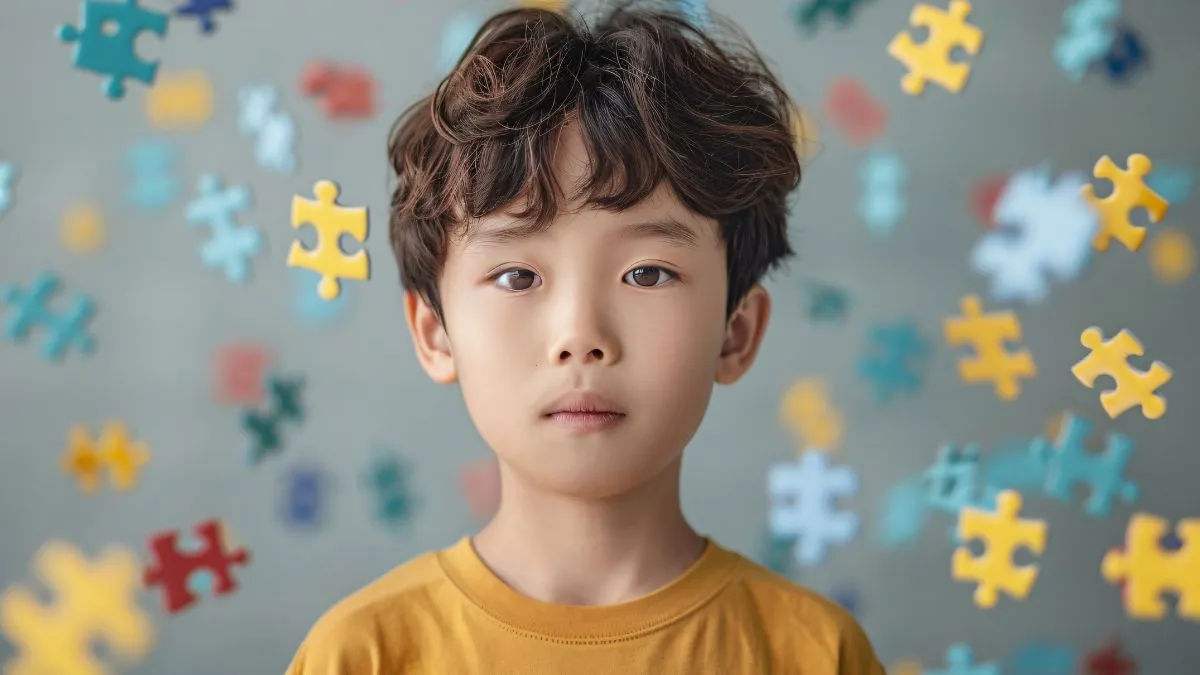
When a child avoids eye contact, repeats certain movements, or struggles with social interaction, the response is often quick and unfair. Many parents hear words like “stubborn,” “shy,” or “poorly disciplined.” But autism is not a behaviour problem waiting to be corrected. It is a neurodevelopmental disorder that has its roots in the way the brain develops, connects, and interprets the world around it.
In India, there is an increasing awareness, but myths and misconceptions continue to prevail. Estimates now suggest that one in every 65 children aged two to nine years may have some level of autism, which works out to approximately two million children in the country. According to Dr Sonam Kothari, Pediatric Neurologist and Co-founder of Butterfly Learnings, looking at autism through a neurological lens changes the entire conversation. “Autism is not about parenting style or discipline,” she explains. “It reflects differences in how the brain develops and processes information from a very early stage of life.”
How brain structure shapes autistic traits
Modern brain imaging studies have helped researchers understand why autistic children experience the world differently. MRI scans show variations in several brain regions linked to memory, emotions, and social understanding.
The hippocampus, which plays a major role in memory formation, is often larger in autistic children. This may influence how information is stored and recalled. Meanwhile, the amygdala, responsible for emotional processing, can develop differently in early childhood, sometimes contributing to heightened anxiety or stronger emotional responses. Researchers have also turned their attention to the cerebellum. Traditionally associated with balance and movement, scientists now recognise its role in attention, timing, and social interaction.
“In autism, consistent differences in cerebellar development have been observed,” says Dr Kothari. “These may influence how children respond socially or process environmental cues.” Even the brain’s outer layer, known as the cortex, follows a different growth pattern. These changes are not learned behaviours. They reflect differences in neuronal development itself.
A brain that grows differently from infancy
One of the most important findings in autism research is how early neurological changes begin. Studies suggest that some infants later diagnosed with Autism Spectrum Disorder experience unusually rapid brain growth during the first two years of life. Between six and twelve months, the surface area of the cortex may expand faster than expected, followed by a sharp increase in overall brain volume during the second year.
This developmental pattern differs from typical brain growth, which continues gradually into adolescence. In some individuals with autism, brain volume may begin stabilising or reducing earlier in adulthood. Researchers have also identified higher levels of cerebrospinal fluid around the brain in certain infants as early as six months of age. “These early biological markers reinforce that autism begins long before behavioural signs become visible,” Dr Kothari notes.
When brain connectivity works differently
Autism also affects how different brain regions communicate with one another. Research suggests variations in glutamate receptor activity, particularly involving the mGlu5 receptor. This imbalance between excitatory and inhibitory signals can affect attention, sensory sensitivity, and behavioural responses.
“These differences do not represent damage,” explains Dr Kothari. “They represent a different neurological rhythm.”
Understanding strengths alongside challenges
Autism is often discussed only through difficulties. Yet many autistic individuals demonstrate remarkable strengths. Exceptional attention to detail, deep focus, strong pattern recognition, honesty, and creative problem-solving are frequently observed traits. Recognising these abilities is essential for building inclusive environments at home, in classrooms, and in workplaces.
“Support should focus on helping children communicate and thrive in ways that suit their neurological profile,” says Dr Kothari. “The goal is not to force sameness but to support development,” the expert adds. As neuroscience continues to evolve, one message is becoming increasingly clear. Autism is not a behaviour that needs punishment or correction.
Also read: