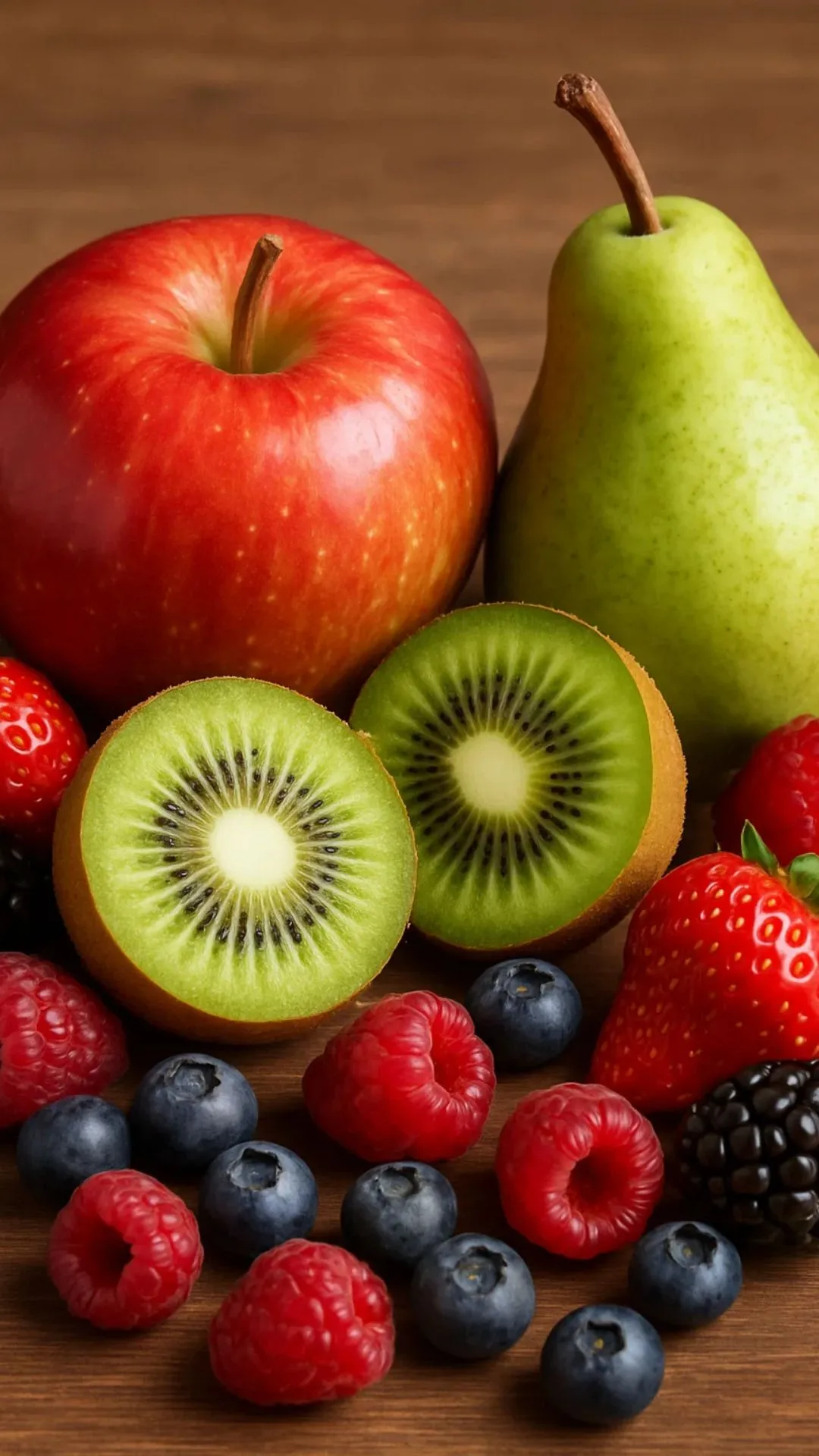
7 low glycemic-index fruits for diabetics
Image Source : AI-generatedApples (GI: 36–40): These are rich in fibre, especially when eaten with the skin. The soluble fibre slows down sugar absorption, helping regulate blood glucose levels.
Image Source : CanvaBerries (GI: 25–40): These include blueberries, strawberries and blackberries. They are nutrient-dense and low in sugar compared to many fruits. They are packed with antioxidants, fibre, and vitamins, which help in blood sugar control and reduce inflammation.
Image Source : CanvaCherries (GI: 20): These have one of the lowest GIs among fruits. They contain anthocyanins, which can improve insulin sensitivity. However, portion control is key.
Image Source : CanvaPears (GI: 30–38): These have a low GI and are high in soluble fibre. They digest slowly, preventing blood sugar spikes.
Image Source : CanvaPeaches (GI: 28–42): These are naturally sweet but have a relatively low GI when eaten fresh. They’re a good source of vitamins A and C and are hydrating.
Image Source : CanvaKiwi (GI: 47): These are slightly higher on the low-GI spectrum but still safe in moderation. They’re rich in vitamin C, potassium, and fibre.
Image Source : CanvaPlums (GI: 24–28): These are fibre-rich and low in carbohydrates. Their low GI means they don’t cause rapid blood sugar spikes.
Image Source : CanvaNext : From Mathura to Los Angeles: Famous Lord Krishna temples across the world