ISRO performs 122 Collision Avoidance Manoeuvres over past 14 years
ISRO regularly conducts analyses to anticipate potential close encounters between various space objects and Indian space assets. When critical close approaches are forecasted, the agency implements Collision Avoidance Maneuvers (CAMs).
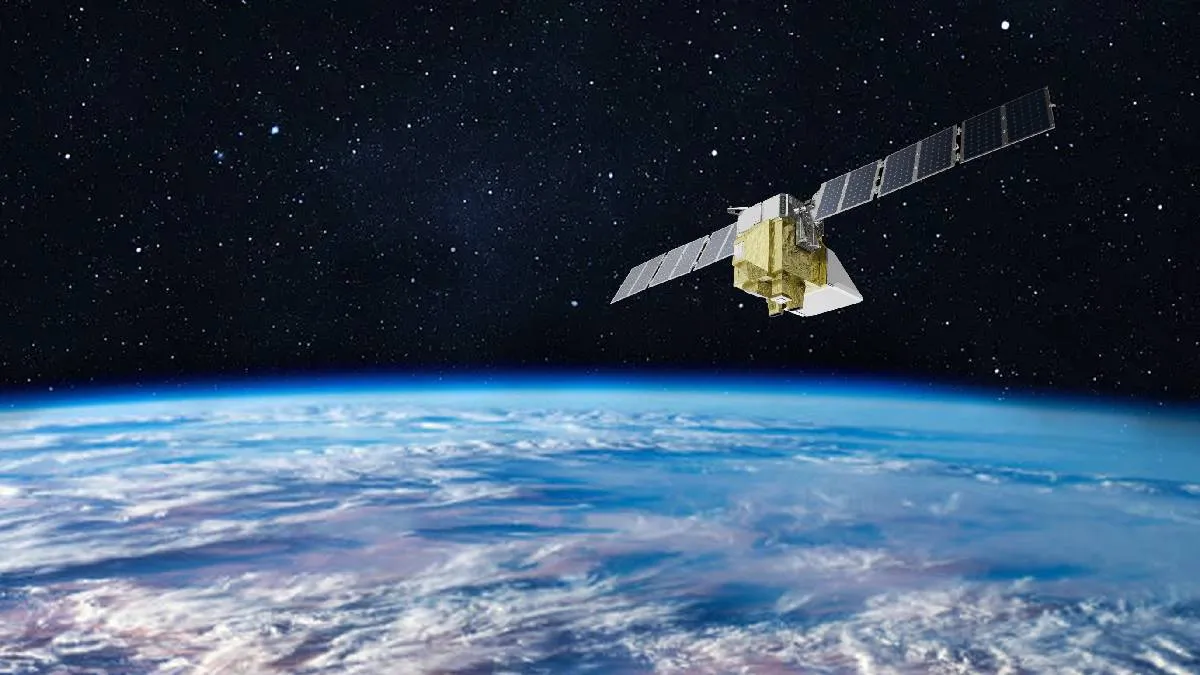
The Indian Space Research Organisation (ISRO) reported that over the past 14 years, it has performed 122 Collision Avoidance Manoeuvres (CAM) for its Earth orbiting satellites. In its Space Situational Assessment Report, ISRO indicated that it routinely conducts analyses to foresee close encounters between other space objects and Indian space assets. When critical close approaches are predicted, the organisation carries out CAMs for operational spacecraft to reduce the risk of collision. ISRO noted that it analysed more than 53,000 alerts generated by the Combined Space Operations Center (CSpOC) of the US Space Command concerning its Earth orbiting satellites, employing more precise orbital data derived from flight dynamics.
Data spanning from 2010 to 2024 revealed that 122 CAMs were undertaken, with a peak of 23 conducted between 2022 and 2023. In the period between 2023 and 2024, 10 CAMs were executed.
The agency explained that the reduction in the number of CAMs in 2024, compared to the previous year, was due to an enhanced methodology for close approach analysis. This improvement involved a larger conjunction screening volume and the application of more accurate ephemerides, which allowed for the fulfillment of collision avoidance requirements by adjusting orbit maintenance manoeuvres on several occasions, thereby reducing the need for standalone CAMs.
ISRO also mentioned that a total of 136 Indian spacecraft, including those from private operators and academic institutions, were launched into Earth orbit by December 31, 2024. By the end of 2024, the Government of India owned 22 operational satellites in Lower Earth Orbit (LEO) and 31 in Geo-synchronous Earth Orbit (GEO).
Furthermore, two Indian deep space missions, namely the Chandrayaan-2 Orbiter (CH2O) and Aditya-L1 positioned at Sun-Earth Lagrange’s point, remained active. ISRO stated that the propulsion module of the Chandrayaan-3 spacecraft continued functioning in a high Earth orbit, more than 100,000 kilometers away, after being relocated from its lunar orbit in November 2023.
The organisation highlighted that 34 rocket bodies had re-entered the Earth's atmosphere by the end of 2024, with five of these re-entries occurring in 2024 alone. A total of 31 Indian satellites also re-entered the atmosphere by the end of 2024, nine of which did so in 2024. Among these was the Cartosat-2 satellite, which re-entered on February 14, 2024.
ALSO READ: SpaceX Starship launch ends in mid-air failure after a series of setbacks
Inputs from PTI