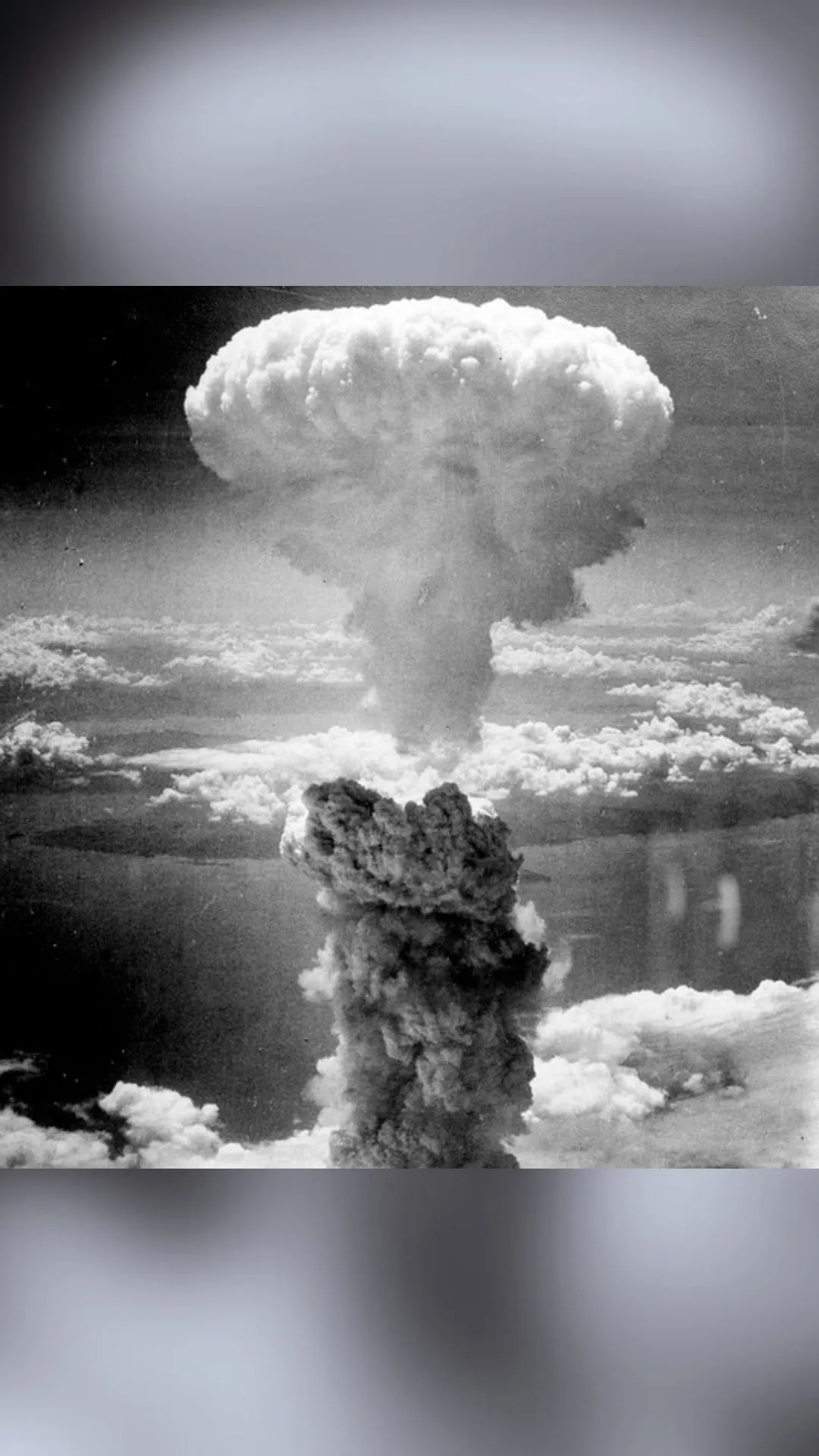
What happens if nuclear weapons are used?
Image Source : PixabayNuclear weapons stand out as the most devastating, indiscriminate, and inhumane tools of warfare ever developed. Their unparalleled capacity for destruction, coupled with long-lasting and far-reaching radioactive fallout that causes severe genetic damage, sets them apart from all other forms of weaponry.
Image Source : iStockThe detonation of just one nuclear bomb over a major city has the potential to claim millions of lives. If dozens or hundreds of such weapons were used, the resulting environmental impact could severely disrupt the global climate, leading to massive food shortages and widespread famine.
Image Source : iStockA nuclear detonation results in a massive explosion, instantly vaporising everything within its immediate blast radius. Temperatures at ground zero can reach several million degrees Celsius, enough to melt steel and concrete.
Image Source : iStockOne of the deadliest aftereffects is radioactive fallout. This invisible killer contaminates the air, water, and soil, causing long-term health issues such as cancer, genetic mutations, and acute radiation sickness. Fallout can drift hundreds or even thousands of kilometres.
Image Source : iStockA large-scale nuclear conflict could plunge the planet into a "nuclear winter." Soot and debris from massive fires could enter the atmosphere, block sunlight, and drastically lower global temperatures. This could potentially collapse ecosystems.
Image Source : iStockThe political and economic aftermath can be equally devastating. Supply chains could break, communication systems could crash, and panic would grip populations. Nations might retaliate, escalating into a full-blown nuclear war.
Image Source : iStockIn the aftermath of a nuclear attack, a humanitarian response would be virtually impossible. Medical professionals and emergency responders would be unable to operate in areas overwhelmed by destruction and hazardous radioactive contamination.
Image Source : PixabayAt present, there are 9 countries in the world that possess nuclear weapons. They are: Russia, the United States, China, France, the United Kingdom, India, Pakistan, Israel, and North Korea.
Image Source : ShutterstockFrom the immediate annihilation of cities to long-term environmental and social collapse, the cost of pushing the nuclear button is unimaginably high. That's why global leaders and peace advocates continue to stress: nuclear weapons must never be used.
Image Source : PixabayNext : What is the punishment for 'illegal' alarm chain pulling in trains?