
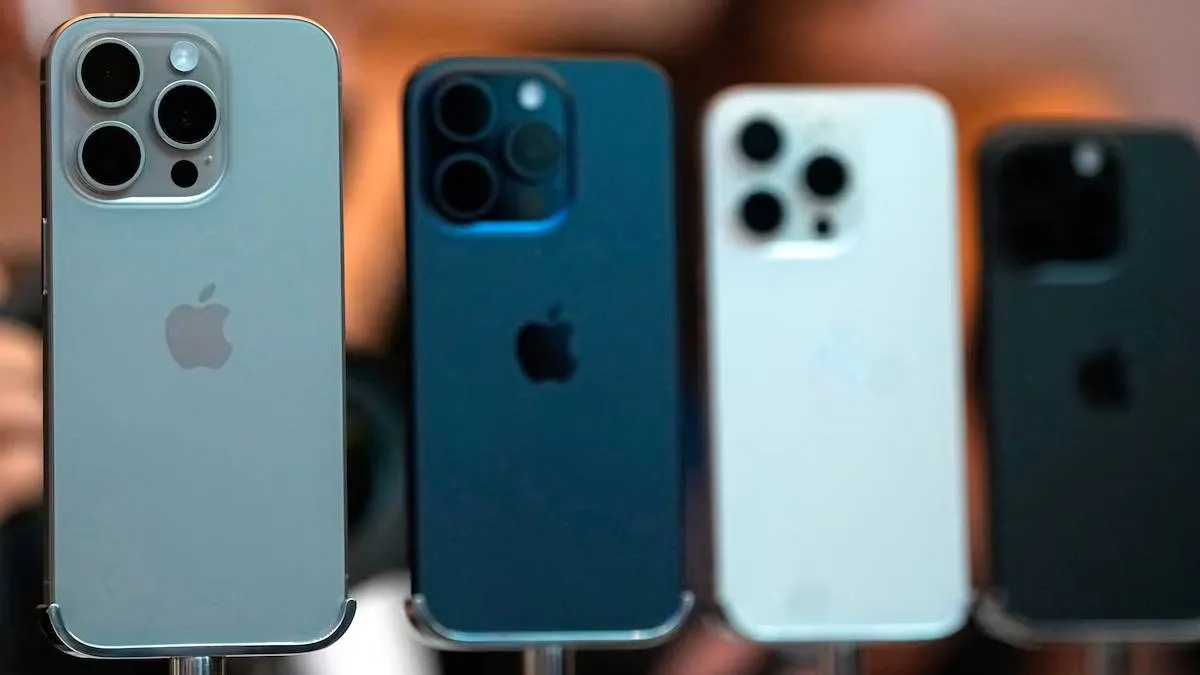
MP Materials has recently announced a significant agreement worth $500 million with tech giant Apple. It is the operator of the only rare earths mine in the United States. This deal aims to boost the production of powerful magnets that are essential for iPhones and other high-tech items, including electric vehicles. Although they're called 'rare earth elements,' these materials aren't actually that rare. The tricky part is finding them in enough quantities to make it worth mining. These elements are really important for many everyday items, including smartphones, electric cars, submarines, and fighter jets. Their military applications have made rare earths a pivotal point of discussion in ongoing trade negotiations between the U.S. and China.
China's dominance in the market became even more evident when it imposed new export limits following the widespread tariffs introduced by President Donald Trump. As shipments dried up, negotiations resumed in London.The agreement with Apple will enable MP Materials to expand its new Texas facility. It will leverage recycled materials to manufacture the magnets that make iPhones vibrate. The company anticipates starting magnet production for Apple in 2027.
Dependence on China
Reducing America’s reliance on China for important minerals known as rare earths has become a key goal for Trump. While China is willing to give out permits to export some of these materials, they are still holding back permits needed for military use. This situation creates a lot of uncertainty about the availability of these crucial supplies.
The ongoing trade conflict between the world's two biggest economies is causing worries about a possible shortage of essential materials. This situation could also interfere with the production of various technologies we rely on. Although MP Materials is working to supply these materials, they can't fully meet the entire demand in the U.S. from their mine in California's Mojave Desert.
These moves by MP Materials come as Beijing and Washington have decided to roll back some of their non-tariff measures: China is set to grant export permits for rare earth magnets to the U.S., while the U.S. is loosening export controls on chip design software and jet engines. This truce aims to ease tensions and avoid a severe downturn in bilateral relations, but it might not effectively tackle the underlying differences as both nations take steps to lessen their interdependencies.
ALSO READ: iPhone 17 to be made in India: Foxconn initiates component imports for upcoming production