
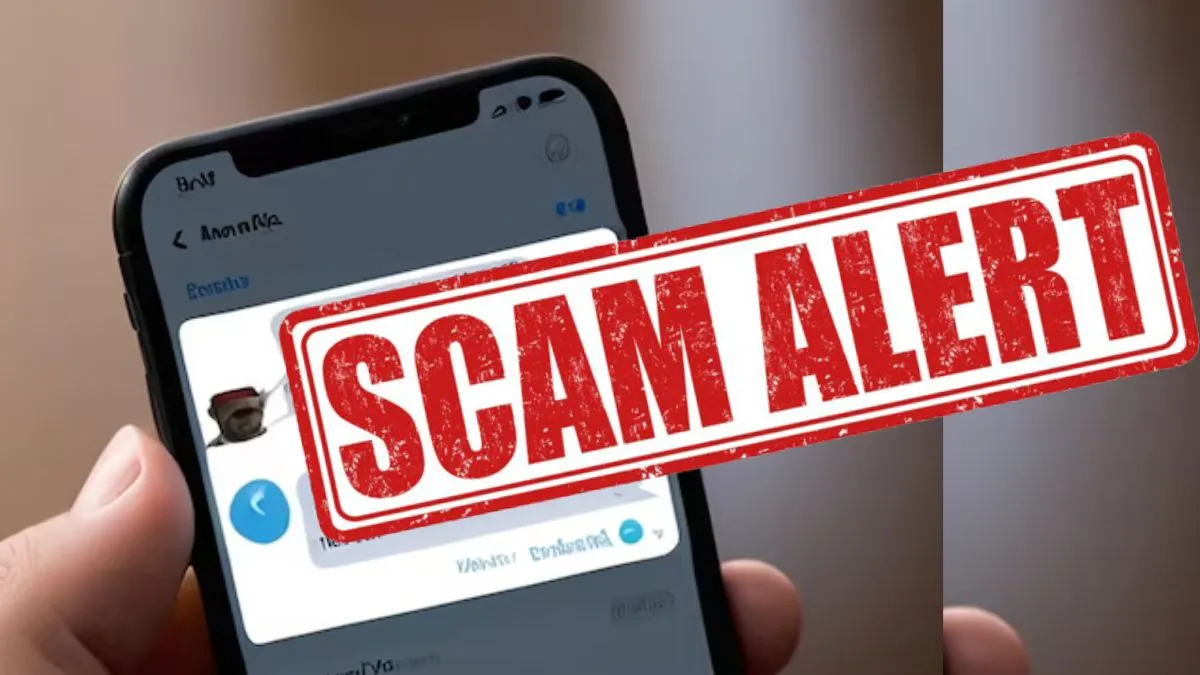
The Ministry of Home Affairs has warned Indian citizens and organisations about a new ‘Boss Scam’ which is on the rise now. As per the government's cybersecurity agencies, cybercriminals are increasingly targeting senior government officials, corporate executives and CEOs via fake emails and convincing WhatsApp messages.
The ‘Boss Scam’ aims to compromise senior management people from various organisations and gain access to their sensitive financial and communication data, which may potentially result in significant financial losses.
I4C identifies emerging cyber threats.
The Indian Cyber Crime Coordination Centre (I4C), together with the National Cybercrime Threat Analytics Unit, flagged this scam as a big deal: hackers impersonate officials or institutions you would normally trust. If anyone falls for it, the fallout is not just embarrassing; rather, these people could lose money, leak sensitive data, or open up huge security gaps.
How the ‘Boss Scam’ works?
- The hacker sends you a message via email or WhatsApp, which may look professional and all above board.
- Once you are convinced that the message is legit, you get a file attachment.
- Look out for extensions like:
- .zip
- .exe
- .dll
- If you open or extract these files, this will lead the scammers to install malware on your device.
- From there, these attackers will be able to steal your information, hijack devices, read conversations, grab WhatsApp accounts or get inside banking systems.
Worst case, they could pull off major fraud before anyone could notice it.
Malware can compromise WhatsApp and banking access
The advisory warns that fraudsters may use the malware to gain control of Windows devices and active WhatsApp Web sessions.
With access to a compromised device, cybercriminals could potentially:
- Take control of WhatsApp accounts
- Initiate unauthorised financial transactions
- Monitor communications
- Access sensitive corporate data
- Target banking and payment systems
Officials reportedly believe that such scammers could enable large-scale financial fraud if not detected quickly.
Safety measures recommended by I4C
To reduce the risk of falling victim to the Boss Scam, I4C has advised following the needful:
- Avoid opening suspicious emails with attachments or links.
- Verify the sender's identity before downloading files (check the sender’s email).
- Be cautious of the messages that claim to be from regulatory authorities.
- Install and regularly update the security software (on laptops, tablets or smartphones).
- Review active WhatsApp Web sessions and log out of unknown devices.
- Reconfirm urgent financial requests through a direct phone call or face-to-face verification.
- Double-check every active WhatsApp Web session—log out if something looks off. And if someone asks for urgent money transfers, call them directly before doing anything.
Do not panic, and use the presence of mind
At the end of the day, cybercriminals have no hitch, and they rely on panic and trust. Slow down, stay sceptical, and train your team so nobody slips up in the rush. If you keep your guard up, you will get a much better shot at staying one step ahead of the scammers.