
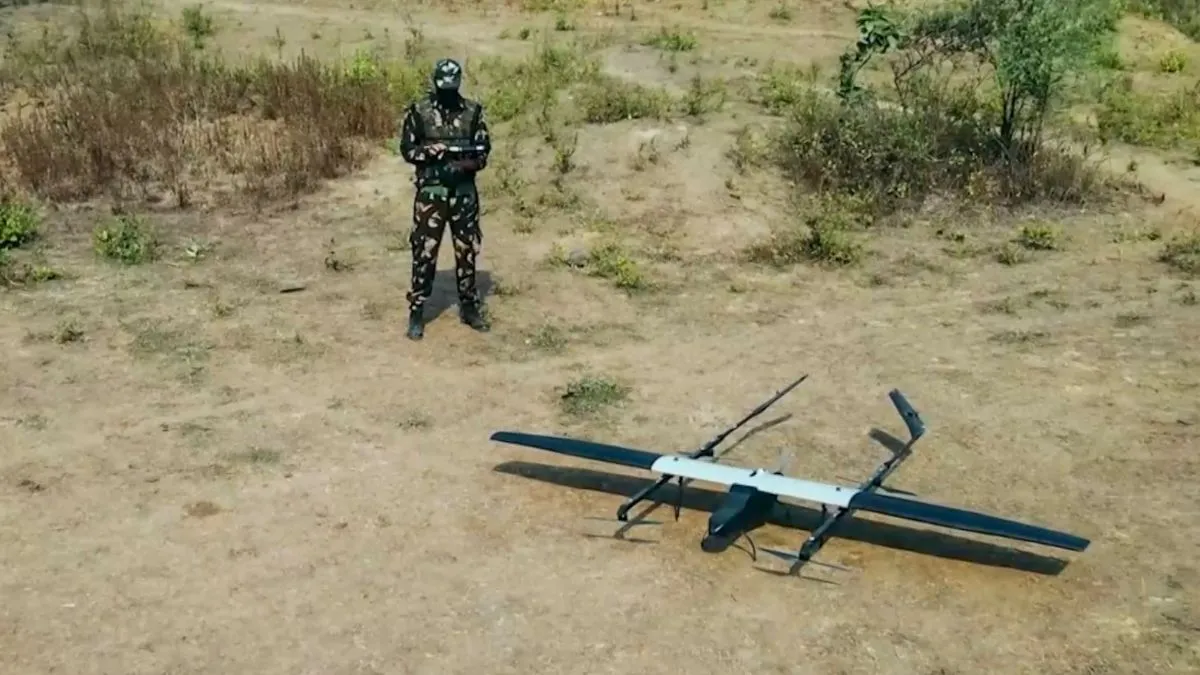
The July 13 drone strikes on ULFA(I) camps in Myanmar's Sagaing region mark a significant escalation in the security dynamics of Northeast India and its periphery. Among those killed were senior ULFA(I) leaders, including Nayan Asom and Pradip Asom, dealing a severe blow to the outfit’s command structure.
ULFA(I) has been quick to attribute the attack to the Indian armed forces. However, these claims lack corroboration and are strongly denied by Indian authorities, including the Army and the Government of Assam. There is, in fact, no credible reason for India to undertake such a high-risk operation at a time when sustained efforts are underway to bring remaining insurgent factions, including ULFA(I), into a structured peace process.
The evolving situation in Sagaing suggests other plausible actors behind the strike. The Myanmar junta has increasingly sought to reassert control over its fragmented frontier regions. ULFA(I)’s continued militarisation, along with its perceived external linkages, may have triggered a recalibrated approach from Myanmar’s military establishment.
Additionally, inter-factional rivalries among insurgent groups operating in the same region cannot be overlooked. NSCN(K), a known ally of ULFA(I), has long been contested by rival Naga factions for territorial and strategic dominance. Whether as part of an internal feud or a realignment of interests, intelligence leaks or local cooperation cannot be ruled out.
What is clear is this: the strikes were precise, well-informed, and deeply disruptive to ULFA(I)’s presence in Myanmar. And they reflect a broader trend—that traditional cross-border sanctuaries are no longer beyond reach, whether by state or non-state actors.
Attribution may remain contested, but India’s posture remains evident: firm on security, committed to peace, and mindful of regional sensitivities.