
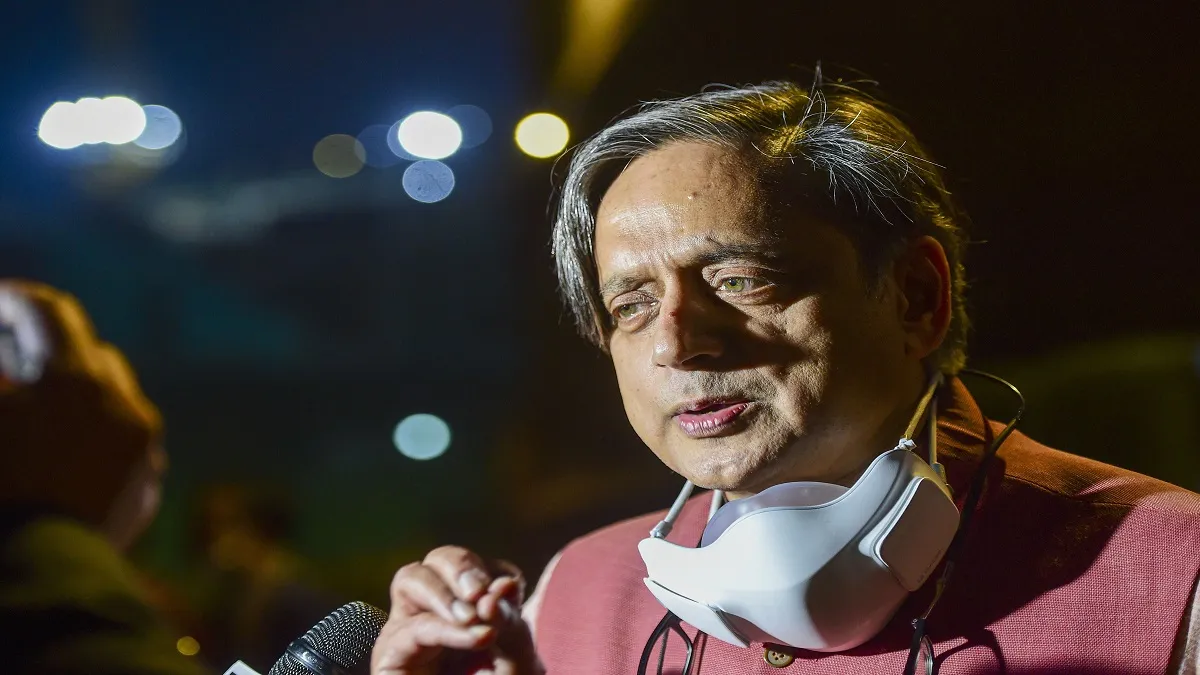
Senior Congress leader and Member of Parliament (MP) from Thiruvananthapuram, Shashi Tharoor, has called for a deeper understanding of the Emergency imposed between June 25, 1975, and March 21, 1977. Writing in Malayalam daily Deepika, Tharoor said the Emergency should not merely be remembered as a grim episode in Indian history but as a cautionary tale with lasting lessons for democracy.
‘Discipline turned to cruelty’
Tharoor highlighted how the efforts during the Emergency, initially projected as moves for discipline and national order, quickly degenerated into acts of repression and injustice. He cited the forced sterilisation campaigns led by Sanjay Gandhi, calling them “notorious examples” of state overreach.
"In poor rural areas, violence and coercion were used to meet arbitrary targets," he wrote. "In cities like New Delhi, slums were mercilessly demolished, leaving thousands homeless, with no thought given to their welfare."
India has progressed, but vigilance is vital
Tharoor acknowledged that India has changed significantly since 1975, describing the country as “more self-confident, more developed, and in many ways a stronger democracy.” However, he cautioned that the tendencies that led to the Emergency remain relevant even today.
Dangers of power centralisation
He warned that the temptation to centralise authority, suppress dissent, and bypass constitutional checks can re-emerge under various pretexts, often disguised as actions in the national interest or for stability.
Democracy must be actively preserved
“Democracy is not something to be taken lightly; it is a precious legacy that must be constantly nurtured and preserved,” Tharoor wrote, urging all citizens and leaders to remain alert. “The Emergency stands as a strong warning. The guardians of democracy must always remain vigilant,” he concluded.