
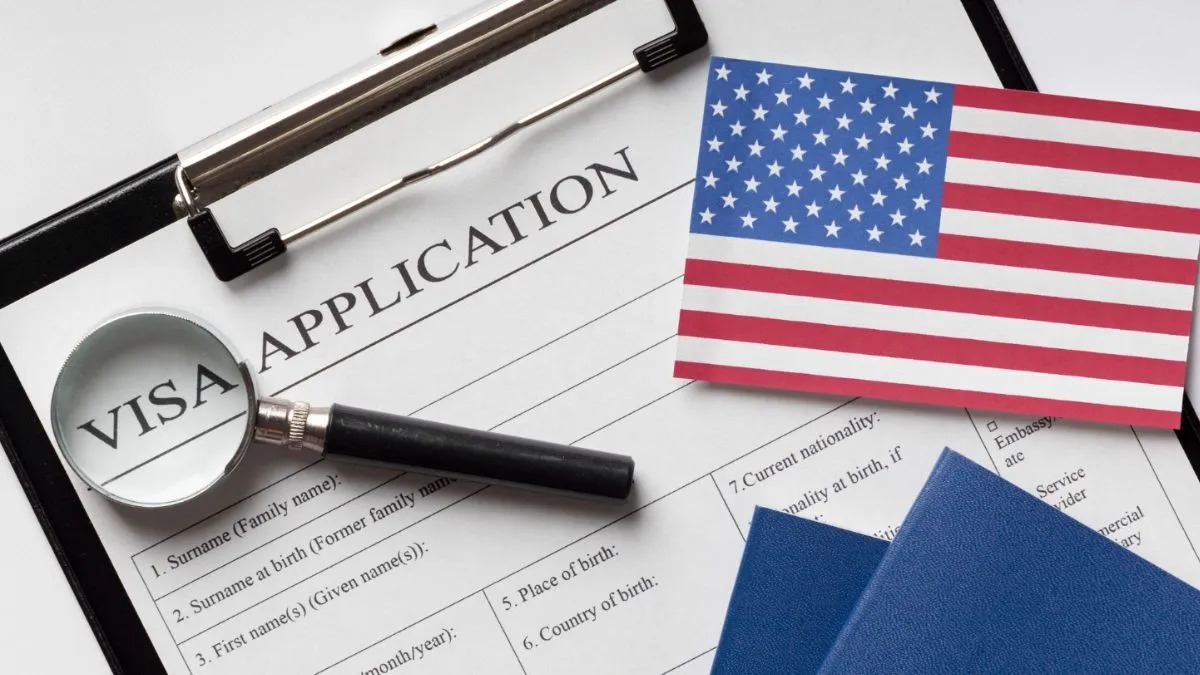
Travel rules to the United States have been shifting steadily over the past year. Some changes are subtle. Others, not so much. This latest update sits somewhere in between. It may not affect everyone, but for certain travellers, it could change how a visa application plays out.
The US government is expanding a visa bond requirement tied to short-term travel visas. It is aimed at reducing overstays. And now, more countries are being added to that list, which means more applicants may be asked to pay upfront before getting approval.
US visa bond rule expands to more countries
The bond system applies to B1 and B2 visas, which are typically used for business trips and tourism.
Originally introduced in 2025, the rule allows US authorities to ask certain applicants to deposit a refundable bond. The amount can range between $5,000 and $15,000, depending on the case.
From April 2, 2026, 12 additional countries are being included in this programme. That brings the total number of countries under this rule to around 50.
List of countries added to the visa bond programme
The newly added countries are:
- Cambodia
- Ethiopia
- Georgia
- Grenada
- Lesotho
- Mauritius
- Mongolia
- Mozambique
- Nicaragua
- Papua New Guinea
- Seychelles
- Tunisia
These join a broader list that already included countries such as Cuba, Burundi, Namibia, Tanzania and Zambia.
How the US visa bond system works
Not every applicant will be asked to pay. The decision is made during the visa interview process.
Here is how it generally works:
- A consular officer may require a bond before issuing a visa
- The bond amount can be $5,000, $10,000 or $15,000
- It is only paid if specifically instructed
- If the traveller leaves the US before their visa expires, the full amount is refunded
The idea is fairly straightforward. It acts as a financial incentive to follow visa rules and not overstay.
Why the US is tightening visa rules
Over the past year, the US has introduced several changes across its immigration system. The focus has largely been on stricter screening and enforcement.
Some of these changes include:
- More detailed background checks
- Increased scrutiny during visa interviews
- Expanded checks on applicants’ social media activity
- Higher application-related costs
While work visas like H-1B have received most attention, short-term travel visas are now also seeing tighter controls.
April 2026 visa bulletin: What travellers should know
Alongside these updates, the US State Department has also released its April 2026 visa bulletin, which outlines the availability of immigrant visas.
There are fixed annual limits:
- Around 226,000 family-sponsored visas
- At least 140,000 employment-based visas globally
Because demand often exceeds supply, waiting periods remain long, especially for applicants from countries like India and China.
There is some movement, though. Certain employment-based categories have seen cut-off dates move forward slightly, which could allow more applicants to proceed with their green card process.
What this means for travellers
For short-term travellers, especially from the countries listed, the key takeaway is simple. Visa rules are getting stricter, and additional financial requirements may come into play.
For those planning longer-term stays or immigration, the broader system continues to move slowly, shaped by demand, quotas and policy changes.
Not a complete overhaul. But definitely a shift worth paying attention to.
