
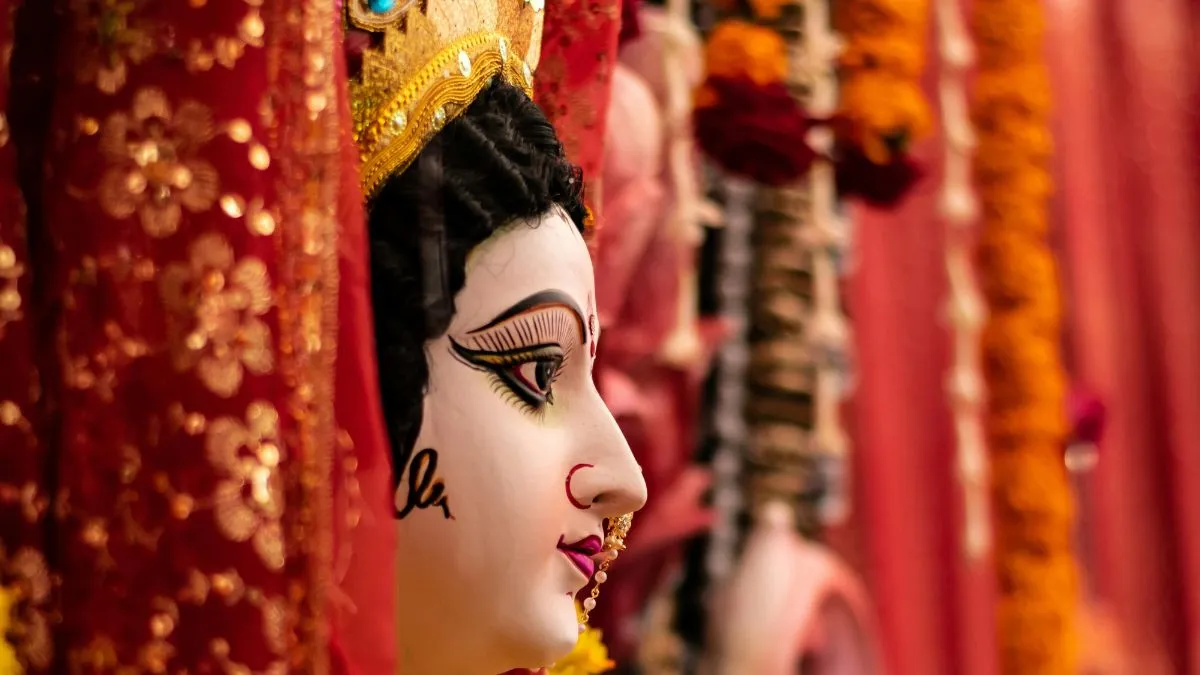
The festival of Navratri is dedicated to Goddess Durga. During this time, nine different forms of the Mother Goddess are worshipped. Worshipping Mother Amba during Navratri is considered extremely fruitful. This year, Chaitra Navratri is being celebrated from March 19 to March 27.
Navratri is celebrated four times a year, including two secret Navratris. Secret Navratri is associated with tantric and spiritual practices, which is why Sharadiya and Chaitra Navratri hold greater significance for householders. People from all walks of life come together to celebrate the occasion.
Chaitra Navratri is currently underway and will conclude with Ram Navami on March 27. Let us understand what should not be offered to Goddess Durga during Navratri.
Do not offer these fruits to Goddess Durga during Navratri
Offering fruits to Goddess Durga during Navratri is considered auspicious. However, certain fruits should not be offered, even by mistake.
Pears, dried coconut, figs, and pineapples should not be offered to the Goddess. Additionally, avoid offering citrus fruits such as lemons and tamarind.
Fruits that are infested with insects, excessively sour or bitter, bruised, or eaten by birds should also not be offered during Navratri.
Do not offer these flowers to the Goddess
Fresh and fragrant flowers should be given to the Goddess during the nine days of Navratri.
Ketaki, Kaner, Tulsi, Nagkesar, Dhatura, Madar, and wilted flowers should not be given to Mata Rani as they are not considered suitable for the Goddess.
Things to keep in mind while offering food
Take special care of purity and cleanliness when preparing food for the Goddess.
Use copper, brass, or clay utensils for offerings. Glass and plastic utensils should be avoided.
Food prepared for Goddess Durga should be free from salt, garlic, and onion. All ingredients used should be fresh and pure.
Take your time to build your spiritual connection with Maa Durga. Happy Navratri!
Disclaimer: The information provided here is based on religious beliefs and popular traditions. There is no scientific evidence to support it. India TV does not vouch for the accuracy of any of the information
Also read: Is Ram Navami on March 26 or 27? Check when it will be celebrated in Ayodhya
