
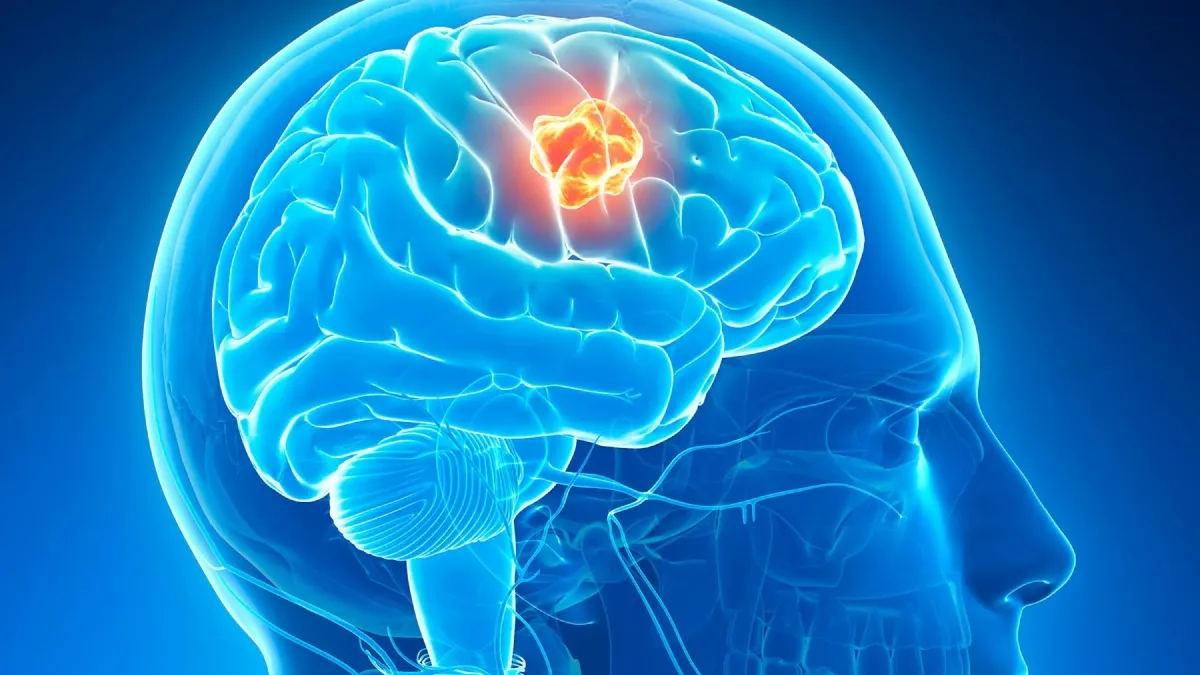
Brain tumours can often go unnoticed until they reach an advanced stage. According to the National Library of Medicine, in India, 40,000-50,000 people are diagnosed with brain tumours every year. This surprising statistic shows the importance of early detection and the need for timely medical intervention. Still, brain tumours remain among the most challenging conditions to diagnose early, primarily because of the nonspecific and unclear symptoms. Understanding why tumours go undetected until later stages and recognising the initial warning signs can significantly improve the quality of life of patients.
Why do brain tumours go unnoticed?
According to Dr Anurag Saxena, Cluster Head Delhi/NCR - Department of Neurosurgery, Manipal Hospital, Dwarka, New Delhi, brain tumours are characterised by symptoms such as unexplained nausea, frequent headaches, dizziness, seizures, loss of balance, vision impairment, and changes in speech patterns, among other cognitive and behavioural changes. These signs are non-specific and may be thought of as stress, hormonal fluctuations, environmental changes, or lifestyle factors such as lack of sleep. This often leads people to overlook them as early warning signs for a serious medical condition.
The symptoms of a brain tumour are progressive, which means that they worsen over time. So, they are detected only when the discomfort becomes unbearable. In many cases, tumours grow slowly. This allows the brain to adapt and live with the pain. Symptoms also vary according to the size of the tumour and its location in the brain. Sometimes, symptoms remain masked until the tumour expands enough to cause noticeable changes.
What are the warning signs of a brain tumour?
It is extremely important to recognise the following early warning signs and consult a specialist timely:
- Persistent or worsening headaches, especially those that feel deep-seated or cause extreme pain
- Vision problems like blurriness or double vision. Squinting is common among children.
- Unexplained nausea or vomiting
- Frequent seizures without a history of epilepsy
- Brain fog, memory issues, and other personality changes
- Weakness or numbness in the limbs
- Lack of coordination and difficulty in balancing
- Slurred speech or changes in speaking patterns
- Sudden hormonal fluctuations may manifest as weight gain or irregular periods.
What are the treatment options available?
The key to effective treatment is early detection. Be aware of unexplained or sudden bodily or cognitive changes, as these may indicate a brain tumour. Imaging procedures like MRI and CT scans help detect tumours in their early stages, often even before the symptoms become noticeable. Further, they also enable specialists to gain insights about the exact size, location, and grade of the tumour. Once detected, technologies like focused craniotomy, radiation therapy, and radiosurgery are used to treat the condition.
Brain tumours are not always aggressive, but early diagnosis can help with timely treatment options and improve long-term outcomes. Being vigilant about unexplained, persistent symptoms, even ones that seem minor, can make a vast difference.
Disclaimer: Tips and suggestions mentioned in the article are for general information purposes only and should not be construed as professional medical advice. Always consult your doctor or a dietician before starting any fitness programme or making any changes to your diet.
ALSO READ: What is PMS and PMDD? Know causes, symptoms, treatment and more about this condition