
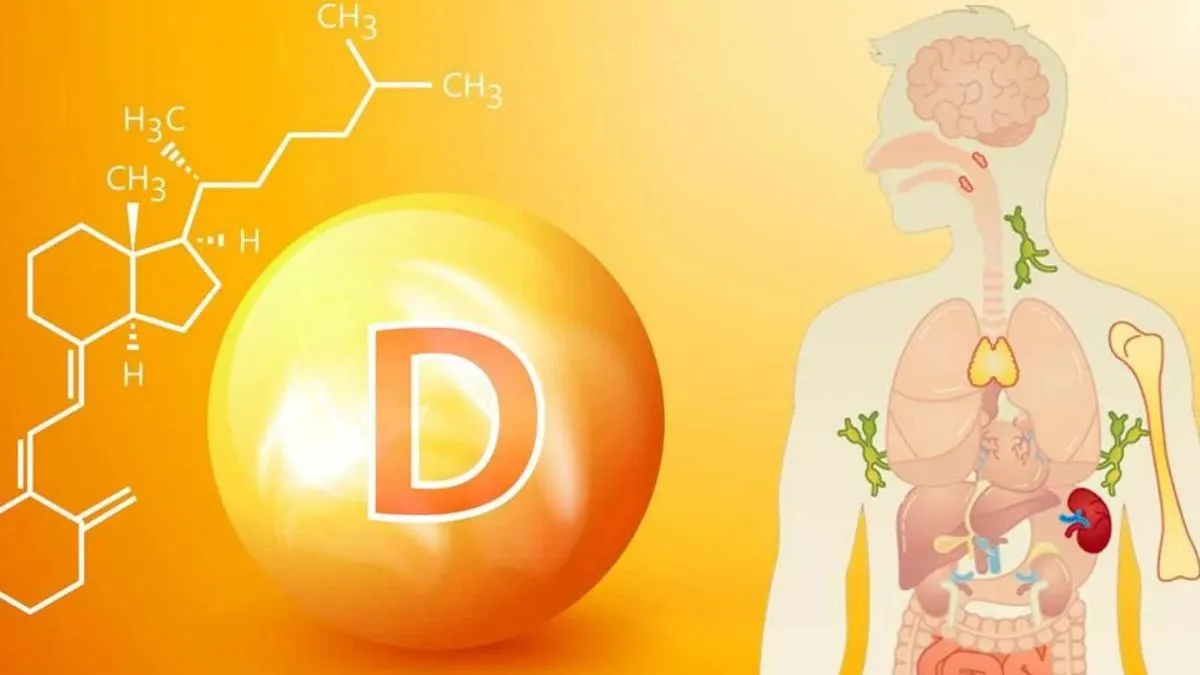
Vitamin D is a crucial nutrient that is required by the body for several important functions. It helps in bone development and maintenance. It also plays a crucial role in the nervous system, musculoskeletal system and immune system. Usually, Vitamin D is produced by the body through exposure to sunlight. However, a lot of people tend to suffer from Vitamin D deficiency.
When there is a deficiency of this vitamin in the body, it impacts several important functions of the body. Here, take a look at what happens to your body when there is a deficiency of Vitamin D.
Weakened bones
Vitamin D is important for calcium absorption in the body. Without this, bones can become weak, brittle and more prone to fractures. In children, a deficiency of this essential vitamin can lead to rickets and in adults, it can cause osteomalacia or osteoporosis.
Muscle weakness and pain
Lack of vitamin D can lead to muscle pain, cramps and weakness. This happens because Vitamin D plays an important role in muscle function and strength. When you have a deficiency of Vitamin D, it can make everyday activities, like climbing stairs or getting up from a chair, more difficult.
Fatigue and low energy
People with low vitamin D levels tend to feel tired or exhausted, even after adequate sleep. This happens because vitamin D tends to affect energy metabolism and mitochondrial function, which helps in the production of energy in the cells.
Risk of infections
Vitamin D is crucial for the functioning of the immune system. Low levels can weaken your immune system response, making you susceptible to infections such as colds, flu, and respiratory tract infections.
Depression and mood changes
Vitamin D also plays an important role in regulating your mood by influencing neurotransmitters like serotonin. A deficiency in Vitamin D can cause symptoms of depression, anxiety, and seasonal affective disorder, especially during the winter months.
Disclaimer: Tips and suggestions mentioned in the article are for general information purposes only and should not be construed as professional medical advice. Always consult your doctor or a dietician before starting any fitness programme or making any changes to your diet.
ALSO READ: Doctor advises fathers after 40 to take these medical tests and shares ways to prevent heart attacks
