
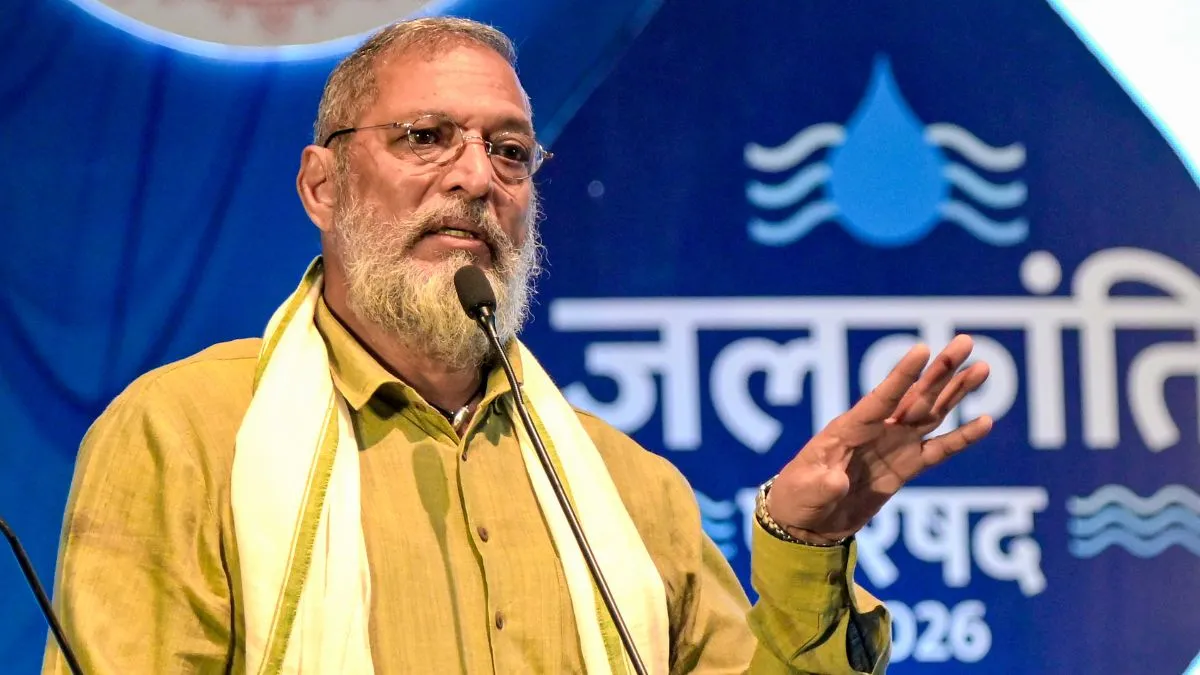
Veteran actor and filmmaker Nana Patekar died after suffering a cardiac arrest at his home in Goa. He was 75. According to hospital sources, doctors tried to revive him for almost 45 minutes after he was brought in, but there was no response. The actor was declared dead at 5:20 am.
But can cardiac arrest strike someone who appears completely healthy, without any obvious warning? And what does prolonged CPR tell us about the severity of such an event? Dr Ravi Prakash, Senior Consultant Cardiology, PSRI Hospital, New Delhi, explains what can happen during a sudden cardiac arrest, why the chances of revival depend on several factors, and which symptoms people with existing heart conditions should never ignore.
Can cardiac arrest happen without warning?
Yes. According to Dr Ravi Prakash, sudden cardiac arrest can occur even in someone who appears completely healthy and has not experienced any obvious warning symptoms.
"Cardiac arrest is different from a heart attack. In cardiac arrest, the heart suddenly stops pumping blood effectively, often because of a dangerous abnormal heart rhythm," Dr Prakash explained.
He said cardiac arrest can sometimes be the first sign of an underlying heart problem. These may include coronary artery disease, cardiomyopathy or an electrical abnormality of the heart. This means a person can appear well and still experience a sudden cardiac event.
However, there can also be subtle warning signs. "Unexplained chest discomfort, breathlessness, unusual fatigue, dizziness, fainting or a sudden decline in exercise tolerance should not be ignored," the cardiologist said.
These symptoms do not necessarily mean a cardiac arrest is about to happen, but Dr Prakash stressed that they can be important signs of an underlying problem.
What does 45 minutes of CPR indicate?
In Patekar's case, doctors attempted CPR for around 45 minutes without being able to revive him. Dr Prakash said that when CPR continues for that long without a successful return of spontaneous circulation, it indicates a very serious and prolonged cardiac arrest, particularly when there has been no sustained response to resuscitation.
However, he cautioned against judging the chances of revival based on the duration of CPR alone.
"The duration of CPR alone cannot determine the chances of revival," Dr Prakash said. Several factors can influence the outcome, including how quickly CPR was started, whether an AED or defibrillator was used when indicated, the underlying cause of the arrest, the initial heart rhythm and the person's overall health.
Another crucial factor is how long the brain and other vital organs remain without enough oxygenated blood. The longer they are deprived of adequate blood flow, the greater the risk of irreversible injury.
This is why, according to Dr Prakash, recognising cardiac arrest quickly, starting CPR immediately and using rapid defibrillation when appropriate are so important.
Which symptoms should heart patients not ignore?
For people who already have heart disease, new or worsening symptoms should be taken seriously, Dr Prakash said.
Persistent or recurring chest pressure or pain is one such warning sign, particularly when the discomfort spreads to the arm, shoulder, back, neck or jaw. Sudden breathlessness, unexplained sweating, nausea, fainting or near-fainting can also require immediate medical attention.
A new rapid or irregular heartbeat, severe weakness or a sudden reduction in exercise tolerance should likewise not be brushed aside.
Dr Prakash advised people not to wait for symptoms to become severe or attempt to drive themselves to hospital during a suspected cardiac emergency.
"Calling emergency medical services early can make a significant difference because cardiac emergencies are time-sensitive," he said.
ALSO CHECK OUT:
Nana Patekar's last footage captures him performing Ganpati Puja, days before his death
