
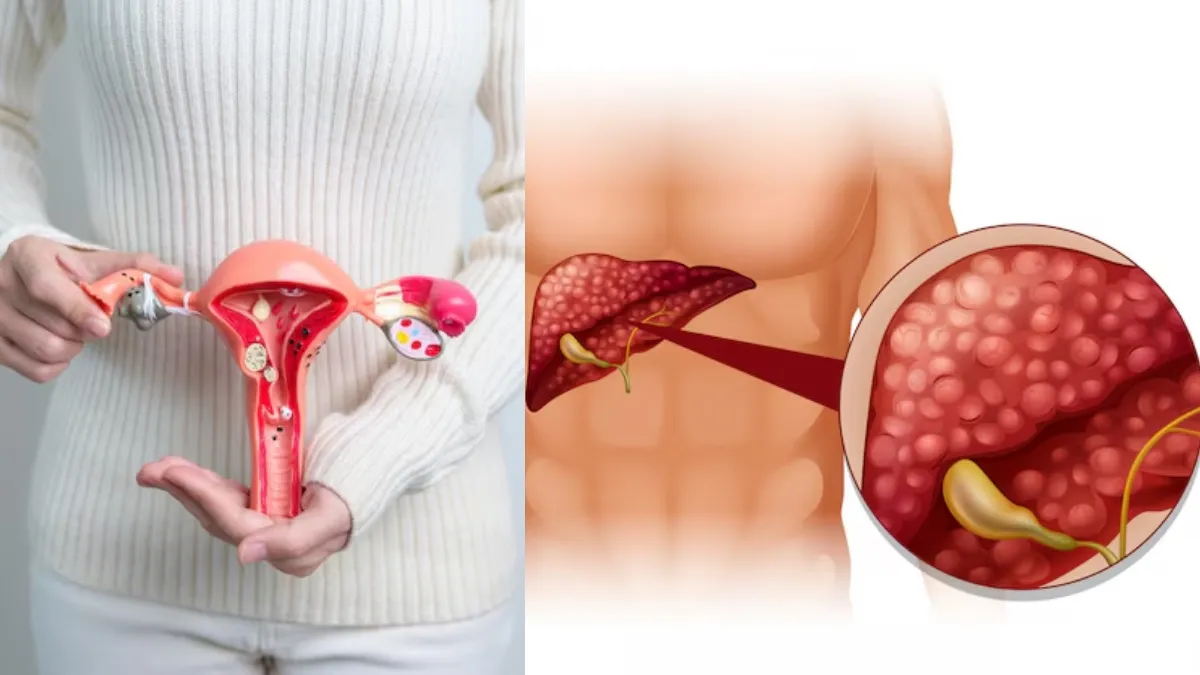
Hundreds of millions of women worldwide battle the complicated condition polycystic ovary syndrome, which produces four major symptoms: irregular periods, facial skin complications, extra hair growth, and obesity. The general population overlooks the fact that PCOS exists beyond reproductive complications since it emerges from metabolic breakdown. The important yet unwell-known medical relationship connects PCOS with non-alcoholic fatty liver disease (NAFLD), which doctors refer to as fatty liver.
Understanding the Connection
When we spoke to Dr. Bhavesh Patel, consultant gastroenterologist at Bhailal Amin General Hospital, he said that not drinking alcohol does not protect women with PCOS from developing a fatty liver condition. The pathways of these conditions include identical basic mechanisms, which involve
- Insulin resistance
- Obesity or central adiposity (belly fat)
- Dyslipidemia (abnormal cholesterol levels)
- Chronic low-grade inflammation
Current evidence indicates that half of all women with PCOS also experience NAFLD; therefore, early diagnosis of this connection remains essential.
How hormones and metabolism play a role
Insulin Resistance: PCOS patients show this specific feature, together with fatty liver being one of its fundamental causes. The body increases insulin production because it develops insulin resistance. The high insulin concentrations in the body cause increased fat deposition in the liver, which increases NAFLD severity.
- Androgens (Male Hormones): The elevated androgens common in PCOS patients contribute to increased abdominal fat, which then deteriorates their insulin resistance and fuels both conditions toward escalating liver fat deposition.
- Ooestrogen Imbalance: The liver benefits from protection through exposure to oestrogen. Protein levels in PCOS patients that disturb hormone equilibrium cause harm to the protective barrier, thereby increasing the chance of liver fat storage.
- Inflammation: The low-grade inflammatory state that exists in both PCOS and NAFLD works against proper metabolic functions, making hormone regulation more difficult.
Why early detection matters
People who ignore fatty liver disease development have an increased risk of developing non-alcoholic steatohepatitis (NASH), liver fibrosis, and cirrhosis. The combined presence of PCOS and fatty liver disease creates a dangerous situation for women because it leads to multiple future health risks that threaten cardiovascular well-being, increase diabetes susceptibility, and reduce fertility capacity.
Managing Both: A Holistic Approach
Nutrition First: Use your diet to practice eating foods with low glycaemic value that include whole grains combined with lean proteins and healthy fats and fibre. The dietary intake should exclude processed sugars together with refined carbohydrates. Your diet should include leafy greens alongside berries, together with turmeric and fatty fish that contain omega-3 fatty acids.
Move More: All adults need at least 150 minutes of exercise at moderate intensity each week. Physical resistance exercises make insulin more effective at its job while also controlling body composition patterns.
Monitor and Manage Hormones: Professional medical assessment from both endocrinologists and gynaecologists will help to monitor your hormone levels. The medical professional might prescribe metformin along with other medications as treatment for insulin resistance combined with liver health maintenance.
Supplement Smartly: Supplements of inositol and vitamin D and omega-3 fatty acids can be taken with proper medical evaluation. Supplements have been proven to enhance metabolic health together with maintaining hormonal balance.
Routine Screening: A woman with PCOS should get liver function tests and ultrasounds from her healthcare provider to assist in routine care, especially when signs of insulin resistance or central obesity appear.
The connection between fatty liver disease and PCOS shows that hormone health depends on metabolic health to the same degree. Weeks who take proactive steps to maintain their lifestyle and practice regular screening and accept medical recommendations will enhance the results of managing their conditions and minimise negative long-term health effects. The treatment of liver conditions might provide the vital element required to fulfil effective PCOS management.