
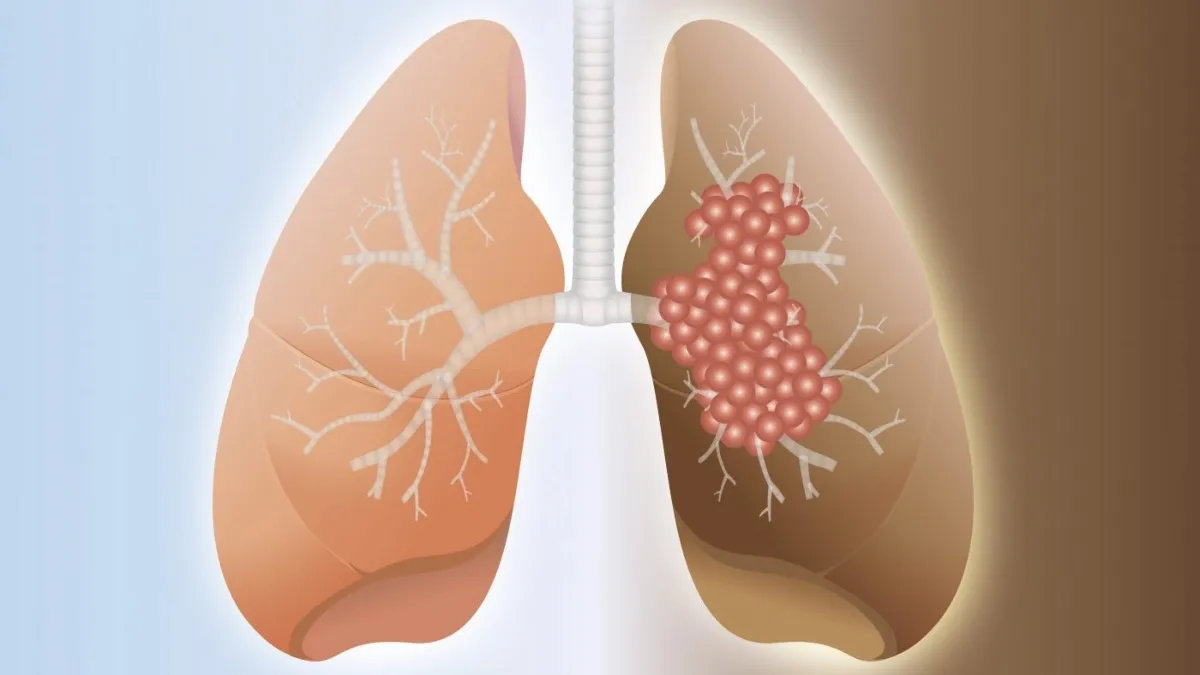
Pulmonary fibrosis is a condition many people haven’t heard of until it enters their lives—often following months of unexplained breathlessness, a dry cough, or fatigue that doesn’t go away. Because it doesn’t receive as much attention as asthma or lung cancer, public understanding remains limited. In that absence, myths tend to fill the gap, and those misunderstandings can delay both diagnosis and treatment.
According to Dr A. Jayachandra, Clinical Director & HOD, Sr Consultant – Interventional Pulmonology at CARE Hospitals, Banjara Hills, Hyderabad, at its core, pulmonary fibrosis is a disease that causes lung tissue to become thickened and scarred. Over time, this scarring interferes with normal breathing. It’s a progressive condition, and while it isn’t common, it deserves far more awareness than it currently gets. Here are some of the most frequent misconceptions about pulmonary fibrosis—and what the reality actually looks like.
Myth 1: It’s just a natural part of ageing
Fact: While it’s true that pulmonary fibrosis is often diagnosed in older adults, it is not simply due to getting older. Breathlessness in older people is frequently blamed on reduced fitness or cardiac problems, which sometimes leads to missed diagnoses. Scarring in the lungs stems from disease, not simply age. If someone finds themselves short of breath doing something routine—especially if that’s new—it’s a sign they should see a doctor without delay.
Myth 2: Pulmonary fibrosis is the same as lung cancer
Fact: While both diseases affect the lungs, pulmonary fibrosis is not a type of cancer. The condition causes scar tissue to build up in the lungs, making it harder to breathe over time, whereas cancer involves uncontrolled cell growth. That said, it’s possible for someone to have both, particularly if they have a history of smoking. An accurate diagnosis is crucial, as each condition requires a different approach to treatment.
Myth 3: There’s no use diagnosing it—nothing can be done
Fact: Although pulmonary fibrosis has no cure, recognising it early can change outcomes. Certain medicines may help slow decline, and combined with oxygen, rehab, and routine changes, symptoms can be better controlled. In select cases, lung transplant may be an option. Recognising the disease early allows for timely care that can preserve quality of life.
Myth 4: A normal chest x-ray rules out pulmonary fibrosis
Fact: Early signs of pulmonary fibrosis can be too subtle for standard X-rays to detect. A standard scan may look normal, but that doesn’t always rule things out. High-resolution CTs tend to pick up scarring earlier. If a dry cough or shortness of breath keeps hanging around, don’t ignore it.
Myth 5: Only smokers develop pulmonary fibrosis
Fact: Smoking is a risk factor, but it’s not the whole story. Many people diagnosed with pulmonary fibrosis have never smoked. The condition may be linked to autoimmune diseases, certain environmental exposures, or, in some cases, have no identifiable cause at all—this is called idiopathic pulmonary fibrosis (IPF).
Why these misconceptions matter
Incorrect beliefs around pulmonary fibrosis often cause people to dismiss their symptoms or delay seeking help. Many people grow used to their breathlessness, often brushing it off as age or lack of fitness. But this quiet adjustment can delay care, and with pulmonary fibrosis, early treatment can make a real difference.
Beyond its physical effects, pulmonary fibrosis takes an emotional toll. Climbing stairs, speaking for long, or even walking short distances can wear people out. That’s why early medical care—and the right emotional backing—makes it easier to face what lies ahead.
Timely awareness makes a difference
While pulmonary fibrosis remains a serious condition, it’s not without hope. Recognising symptoms early and seeking the right care can significantly change how someone lives with the disease. Busting these myths isn’t just about setting the record straight—it’s about helping people get the care they need when it matters most. If persistent breathlessness or an unexplained cough continues, it’s worth investigating. Breathing shouldn’t be a daily struggle, and with the right guidance, it doesn’t have to be.
Disclaimer: Tips and suggestions mentioned in the article are for general information purposes only and should not be construed as professional medical advice. Always consult your doctor or a dietician before starting any fitness programme or making any changes to your diet.
