
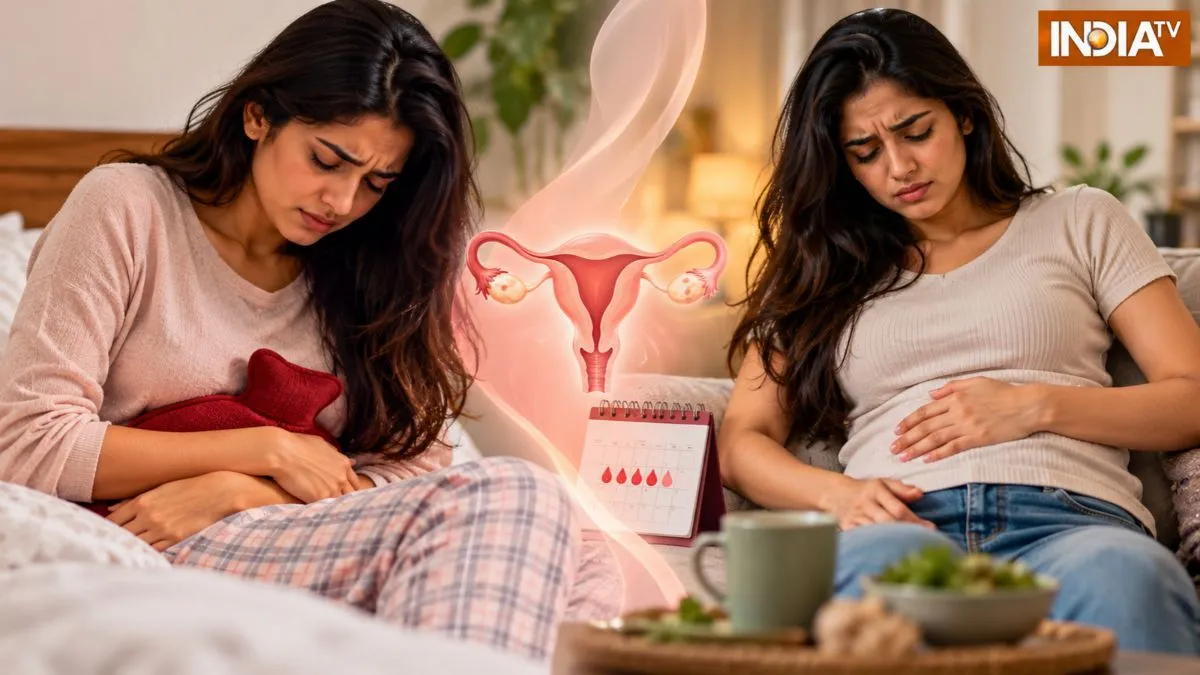
Bloating is common in the days leading up to menstruation, but when abdominal swelling becomes frequent, persistent or unusual, it may be time to look beyond hormonal changes. While premenstrual bloating usually follows a predictable pattern and settles around the start of a period, symptoms that linger or repeatedly return without a clear pattern should not be ignored.
Many women experience a swollen abdomen, a feeling of heaviness or unusual fullness before their periods. Hormonal fluctuations during the menstrual cycle can affect digestion and contribute to temporary water retention. However, not all bloating is related to menstruation, and recognising a change in the usual pattern can help women decide when to seek medical advice. Dr Mansi Sharma, Consultant - Obstetrician and Gynaecologist at Motherhood Hospitals, Kharadi, Pune, explains why it is important to distinguish between routine premenstrual bloating and symptoms that may need further evaluation.
Why does bloating happen before periods?
Hormonal fluctuations before menstruation can affect the digestive system, sometimes slowing digestion and contributing to gas, constipation and a feeling of fullness. The body may also retain more water around this time, making the abdomen feel swollen or puffy.
This type of bloating generally improves when the period begins or within a few days. It may also follow a similar pattern from one menstrual cycle to the next.
For many women, recognising this pattern can offer reassurance. However, when bloating lasts longer than usual or appears at times unrelated to the menstrual cycle, it is worth paying attention to the change.
When is bloating more concerning?
Persistent bloating does not automatically indicate a serious condition, but certain accompanying symptoms can make medical assessment important.
- Bloating that does not go away: Abdominal swelling that continues for several weeks or occurs on most days should not automatically be attributed to periods.
- Frequent bloating without a clear pattern: If bloating repeatedly returns without an obvious connection to the menstrual cycle, particularly when it becomes more noticeable over time, it deserves attention.
- Changes in bowel habits: Persistent constipation, diarrhoea, excessive gas or a change in usual bowel movements alongside bloating may indicate a digestive problem.
- Abdominal or pelvic pain: Persistent pain, pressure or discomfort accompanied by bloating should be evaluated rather than ignored.
- Changes in appetite or weight: Feeling full quickly, losing weight without trying or experiencing a persistent loss of appetite alongside bloating warrants medical assessment.
- Changes in periods: Heavy bleeding, irregular periods or pelvic pain occurring alongside persistent bloating may sometimes be associated with gynaecological conditions.
The duration, frequency and combination of symptoms matter. Women should pay attention to what is different from their usual experience rather than assuming that every episode of bloating is hormonal.
How can women identify a pattern?
Keeping a simple symptom diary can help women understand whether bloating follows their menstrual cycle. Recording when it starts, how long it lasts and whether it occurs before, during or after a period can help identify recurring patterns.
It may also be useful to note foods that appear to trigger symptoms, along with constipation, abdominal pain or changes in menstrual bleeding. This information can help a doctor understand the symptoms during a consultation.
What can help ease routine bloating?
A few everyday changes may help manage bloating associated with digestion and the menstrual cycle. Eating slowly, drinking enough water and staying physically active can support digestive comfort. Women can also note whether particular foods consistently trigger gas and adjust their intake accordingly.
However, repeatedly treating persistent bloating on their own without investigating its cause may delay appropriate assessment. Home measures should not replace medical advice when symptoms continue, change suddenly or occur alongside other unexplained problems.
When should women consult a doctor?
The key is to understand what is normal for your body. Bloating that appears before a period and settles within a few days may follow a typical premenstrual pattern. But symptoms that last for weeks, occur on most days, return without a clear menstrual connection or come with pelvic pain, bowel changes, appetite loss or unexplained weight loss should be discussed with a healthcare professional.
Women should also seek medical advice if their usual symptoms suddenly change or become more severe. Persistent bloating can have several possible causes, and a medical assessment can help determine what is behind it.
Rather than continuing to blame hormones, paying attention to the duration and pattern of bloating can help women recognise when a symptom deserves further investigation.
Also read:
PCOS vs PCOD: What's the actual difference? Here's what women need to know
