US Congress passes bill to tackle 'revenge porn': All you need to know about 'Take It Down Act'
The 'Take It Down Bill' was introduced by Republican Senator from Texas Ted Cruz and Democrat Senator from Minnesota Amy Klobuchar. It also got support from First Lady Melania Trump.
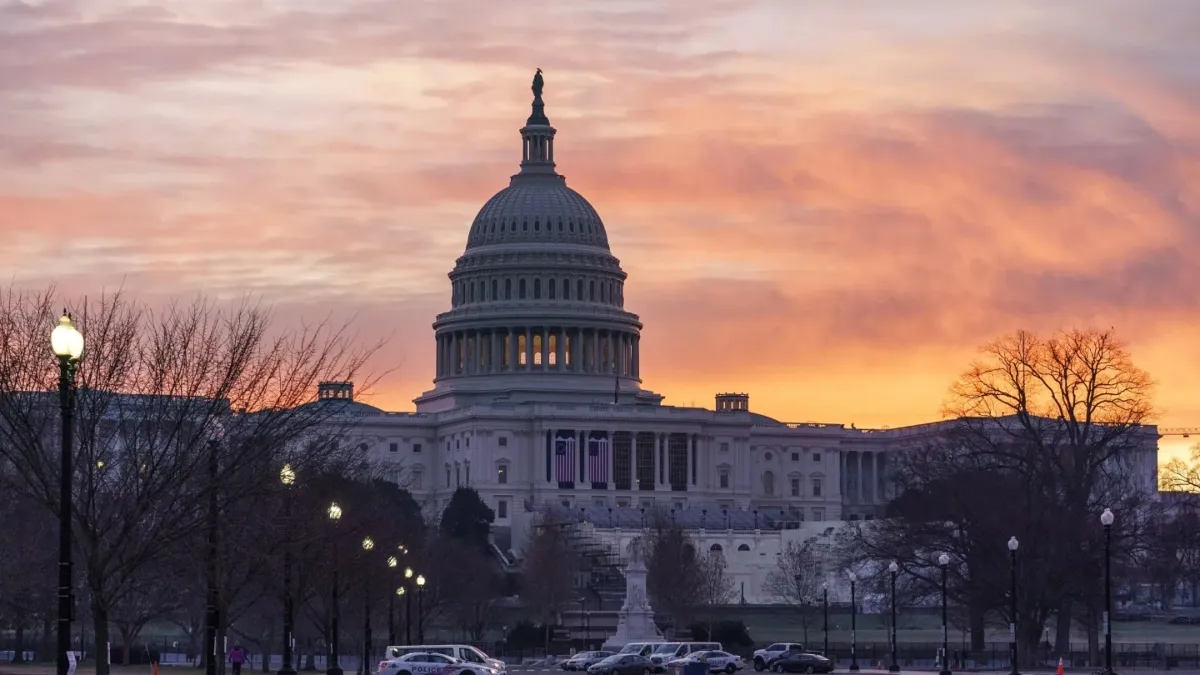
The US Congress has approved bipartisan legislation which seeks to combat the distribution of non-consensual intimate imagery, sometimes called “revenge porn”, by putting in place stricter penalties. The bill, known as the 'Take It Down Act', will be headed to President Donald Trump’s desk for his signature.
The bill, introduced by Republican Senator from Texas Ted Cruz and Democrat Senator from Minnesota Amy Klobuchar, also got First Lady Melania Trump's support. However, critics of the bill say that the language is too broad and could lead to censorship and First Amendment issues.
What is 'Take It Down Act'?
The bill seeks to make it illegal to “knowingly publish” or threaten to publish intimate images without a person’s consent, which also includes AI-created “deepfakes”. The bill also empowers the victim to get the objectionable content removed from websites and social media companies within 48 hours of notice.
While many states in the US have already banned the dissemination of sexually explicit deepfakes or revenge porn, the 'Take It Down Act' comes as a rare example of federal regulations on internet companies.
Melania Trump supports bill
The Take It Down Act has got strong bipartisan support with Melania Trump lobbying on Capitol Hill. She said in March that it was “heartbreaking” to see what teenagers, especially girls, go through after they are victimised by people who spread such content.
According to the Information Technology and Innovation Foundation, which is a tech industry-supported think tank, the bill’s passage comes as an important step forward. It added that the bill "will help people pursue justice when they are victims of non-consensual intimate imagery, including deepfake images generated using AI.”
What do critics say?
Moreover, free speech advocates and digital rights groups say the bill is too broad and could lead to the censorship of legitimate images, including legal pornography and LGBTQ content, as well as government critics.
(With inputs from AP)