Sonam Wangchuk can't be released on medical grounds as he is 'fit and hearty': Centre to Supreme Court
The Centre has informed the Supreme Court that it cannot release Ladakh activist Sonam Wangchuk, detained under the NSA for allegedly instigating last year's violent protests in Leh. Wangchuk is detained in the Jodhpur Central Jail.
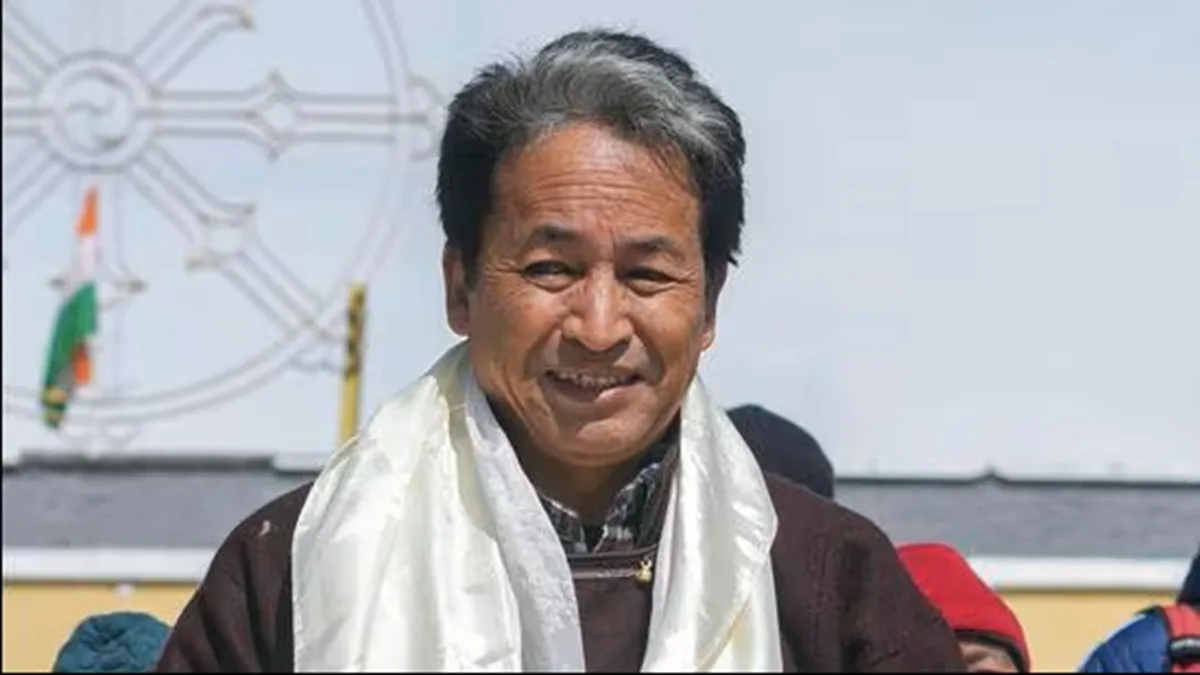
The central government has informed the Supreme Court that it cannot release Ladakh-based climate activist Sonam Wangchuk, who is currently detained under the National Security Act in connection with the violent protests in Leh last year in which four people were killed and more than 150 were injured. He remains lodged in Jodhpur Central Jail. Solicitor General of India Tushar Mehta made the submission before a bench of Justices Aravind Kumar and PB Varale in response to the court's earlier request asking authorities to consider Wangchuk's release on medical grounds due to his deteriorating health condition.
Centre rejects medical grounds for relief
Mehta told the bench that Wangchuk had been examined periodically some 24 times as per the jail manual. He added that the activist is "fit and hearty" and that he only had a digestive issue and an infection. According to him, making such exceptions for release "will not lead to a positive outcome". The solicitor general said the grounds on which the detention order was passed still continue and that "it will not be possible to release him on health grounds. It may not be desirable, either. Since it has fallen from your lordships, we have given utmost consideration".
Supreme Court continues hearing on wife's plea
The hearing on the petition filed by Wangchuk's wife, Gitanjali J Angmo, challenging his detention, continues in the apex court. The Centre is making submissions defending Wangchuk's detention by authorities under the NSA. On February 4, the top court asked the Centre whether there was any possibility of relooking at the detention considering his health condition. The court noted that his health report was not good and asked ASG Nataraj to seek instructions.
Centre and Ladakh administration justify detention
Last week, both the Centre and the Ladakh administration told the Supreme Court that Wangchuk was detained for instigating people in a border area where regional sensitivity is involved. Justifying the detention, Solicitor General Mehta told the bench that all procedural safeguards were followed while ordering the detention under the NSA.
Earlier, the Centre said that Wangchuk tried to instigate Gen-Z for protests like in Nepal and Bangladesh. Mehta added that Wangchuk even referred to Arab Spring-like agitation which has led to the overthrow of multiple governments in countries of the Arab world.
NSA detention rule
The National Security Act empowers the Centre and states to detain individuals to prevent them from acting in a manner deemed "prejudicial to the defence of India". The maximum detention period is 12 months, although it can be revoked earlier. On January 29, Wangchuk denied allegations that he made a statement to overthrow the government like the Arab Spring and emphasised that he has the democratic right to criticise and protest. Wangchuk was detained on September 26 last year, two days after violent protests demanding statehood and Sixth Schedule status for Ladakh left four people dead in the Union Territory. The government accused him of inciting the violence.
ALSO READ: Sonam Wangchuk wants Ladakh to become Nepal, Bangladesh: Centre defends detention in Supreme Court