Tesla’s Robotaxi Service to launch on June 22: Uber eyes London rollout by 2026
Tesla is set to launch its first driverless taxi service on June 22 in Austin, Texas, marking a major step in its autonomous vehicle ambitions. The robotaxi pilot will use Tesla's Full Self-Driving software under human supervision.
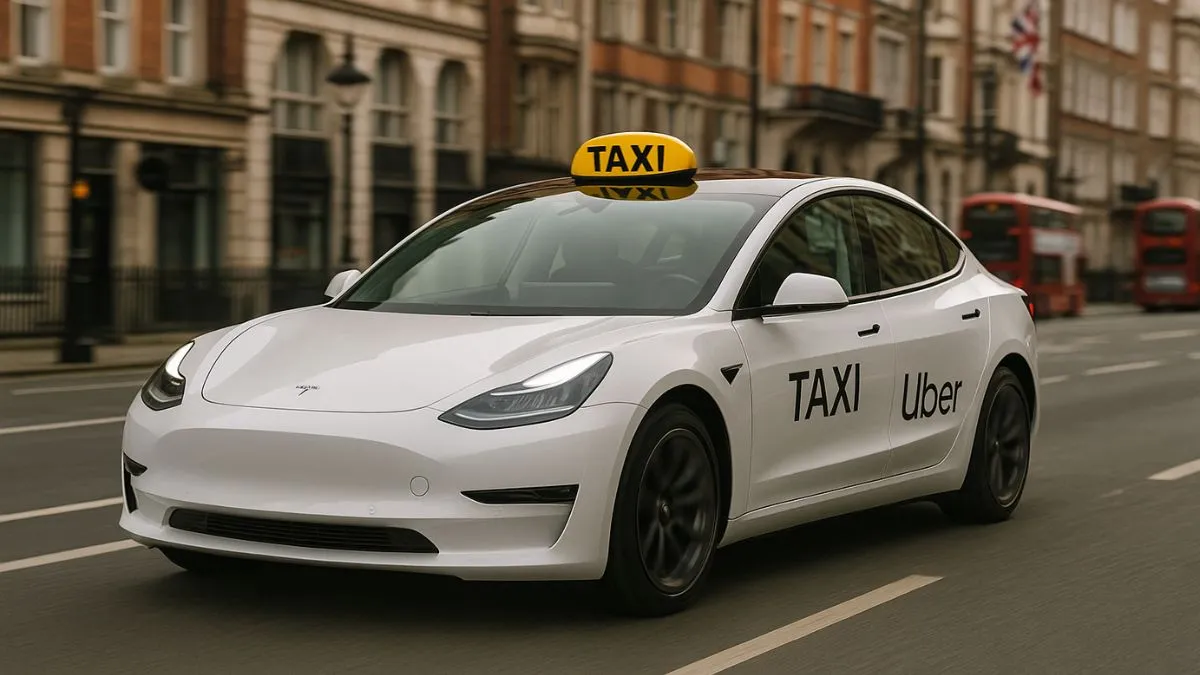
Tesla CEO Elon Musk has confirmed that the company’s long-awaited robotaxi service is tentatively set to begin on June 22, starting in Austin, Texas. The service will initially operate with 10–20 Model Y SUVs equipped with the latest Full Self-Driving (FSD) software, running in limited zones and monitored remotely by humans.
Musk described the rollout as cautious, saying Tesla is being “super paranoid about safety,” and warned the date could shift depending on final checks.
In a bold move, Musk also revealed that starting June 28, new Tesla vehicles could drive themselves from the factory to customers’ homes — a global first, if implemented successfully.
Tesla’s Robotaxi is still shrouded in mystery
While a video posted by Musk showed a Model Y turning a corner autonomously with the label “Robotaxi,” there are still few details on how bookings, pricing, or routes will work. Nevertheless, this pilot could be vital for Tesla, especially amid declining EV sales, increasing competition, and Musk’s polarising image.
Musk even joked on X, saying, “Austin >> LA for robotaxi launch lol,” referencing California’s tighter autonomous vehicle laws. The joke followed news that Waymo cars were set on fire during recent riots in Los Angeles.
Uber to launch Robotaxi trial in London by 2026
Tesla’s reveal comes as Uber gears up for its autonomous ambitions. Uber announced plans to launch a robotaxi pilot in London in 2026 in partnership with Wayve Technologies, a UK-based AI startup.
Unlike Tesla’s no-driver model, Uber’s cars will initially have human drivers on board (Level 4 autonomy), offering a safer transition toward fully autonomous services.
The move is supported by the UK’s new Automated Vehicles Act, which fast-tracks self-driving technology on public roads. UK Transport Secretary Heidi Alexander said the law would bring “jobs, investment, and global leadership.”
Waymo remains the front-runner, but faces regulatory hurdles
Waymo, Alphabet’s autonomous driving arm, continues to lead in scale. Its Waymo One service offers over 200,000 paid rides weekly in cities like San Francisco, Phoenix, and Austin.
However, the company is under scrutiny. The US National Highway Traffic Safety Administration is investigating 22 incidents involving Waymo cars. While the company claims its driverless vehicles are 81 per cent safer than human drivers, it recently recalled over 1,000 vehicles due to minor software issues.